
Japandi Design Principles: Techniques & Essentials
Japandi design principles are often overlooked crafting & choosing each aspect of any room in your house. Learn how to get the fundamentals right for an undeniable ambience.
Written by Anzella Casica certified interior design specialist from ANEC Interior Design Studio

Learn more about the our passionate interior design expert

Japandi interior design principles guide us to create inviting spaces by fusing the comforting warmth that characterises modern Scandinavian design with the breathtaking beauty of Japanese wabi-sabi — for people who long for a more laid-back and grounded lifestyle.
In a chaotic world, more people are now drawn to calm and intentional living. Japandi home decor has become a leading design choice because of its balance of beauty, functionality, and serenity. Deeply rooted in organic elements and clean lines, Japandi design offers a clear path to a clutter-free, thoughtful home environment.
In this guide
Essential elements for a Japandi interior
A living room that represents the Japandi interior design style requires not only careful planning but also a love of simplicity and harmonious balance. Together, these vital components generate a living space that is equally aesthetically appealing and functional. Below are the four principles that define every genuine Japandi interior.
Selecting the right furniture — sleek, low, and practical
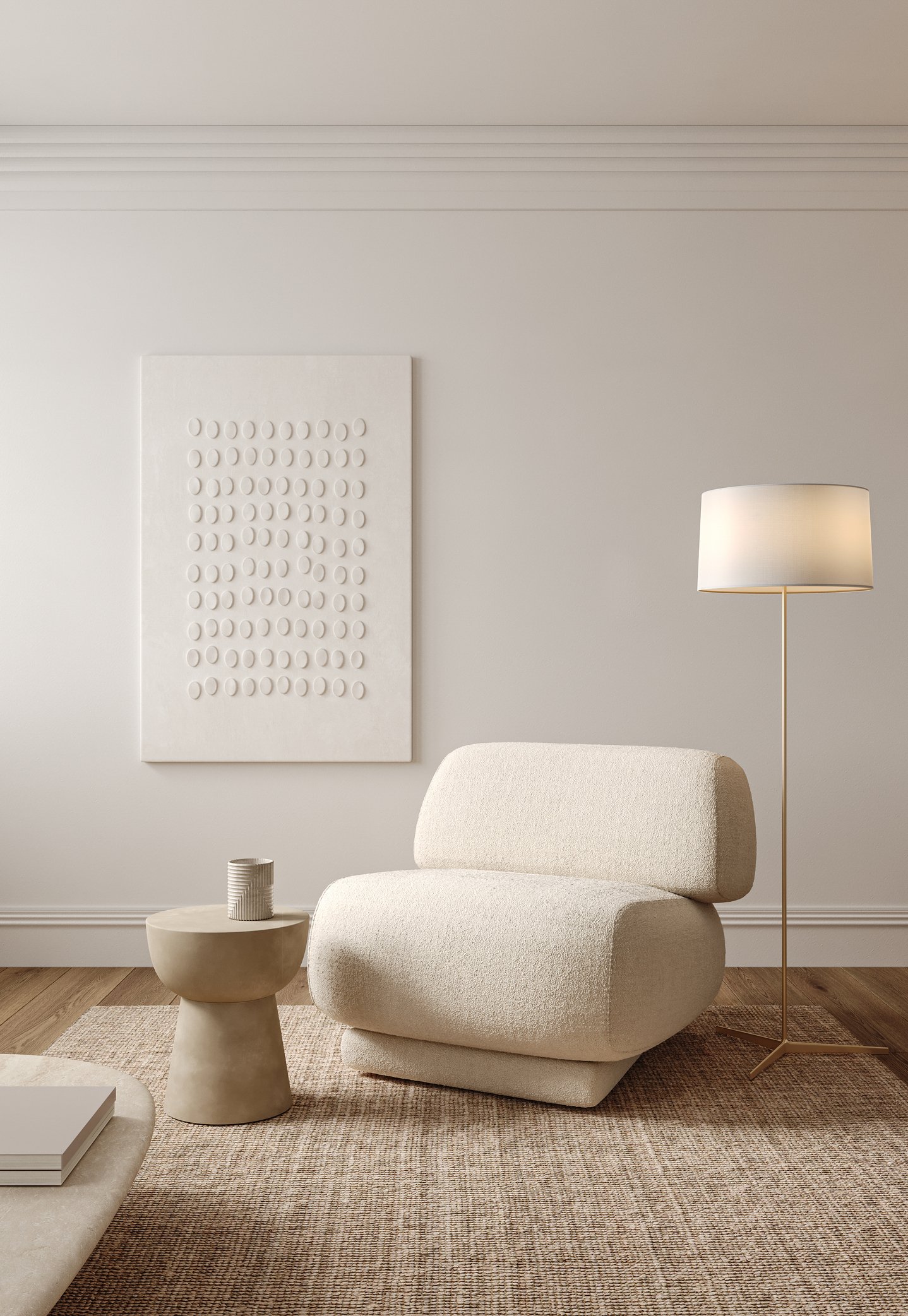
The vital signature of Japandi home decor is the furniture itself. The commonality among all genuine Japandi furniture pieces: high quality, low profiles, and pieces that do not overpower a space.
Low, grounded seating
Consider low-profile seating such as Japanese floor chairs or clean-lined Scandinavian sofas. The lower the profile, the more the room breathes — the visual weight shifts downward and the ceiling feels higher.
Solid wood — ash, walnut, and oak
These three are the best wood choices due to their naturally warm colour and honest grain texture. Avoid veneers where possible — the slight irregularities in solid wood are features, not flaws.
Multipurpose pieces
Coffee tables with hidden storage, built-in sofas with drawers, daybeds that double as guest seating. Japandi rewards dual-purpose thinking — every piece should justify its floor space with more than one function.
For specific furniture picks reviewed against these principles, our Japandi furniture hub covers verified recommendations across every category — including our top-rated Japandi coffee tables on Etsy.
Mastering textures — softness without clutter
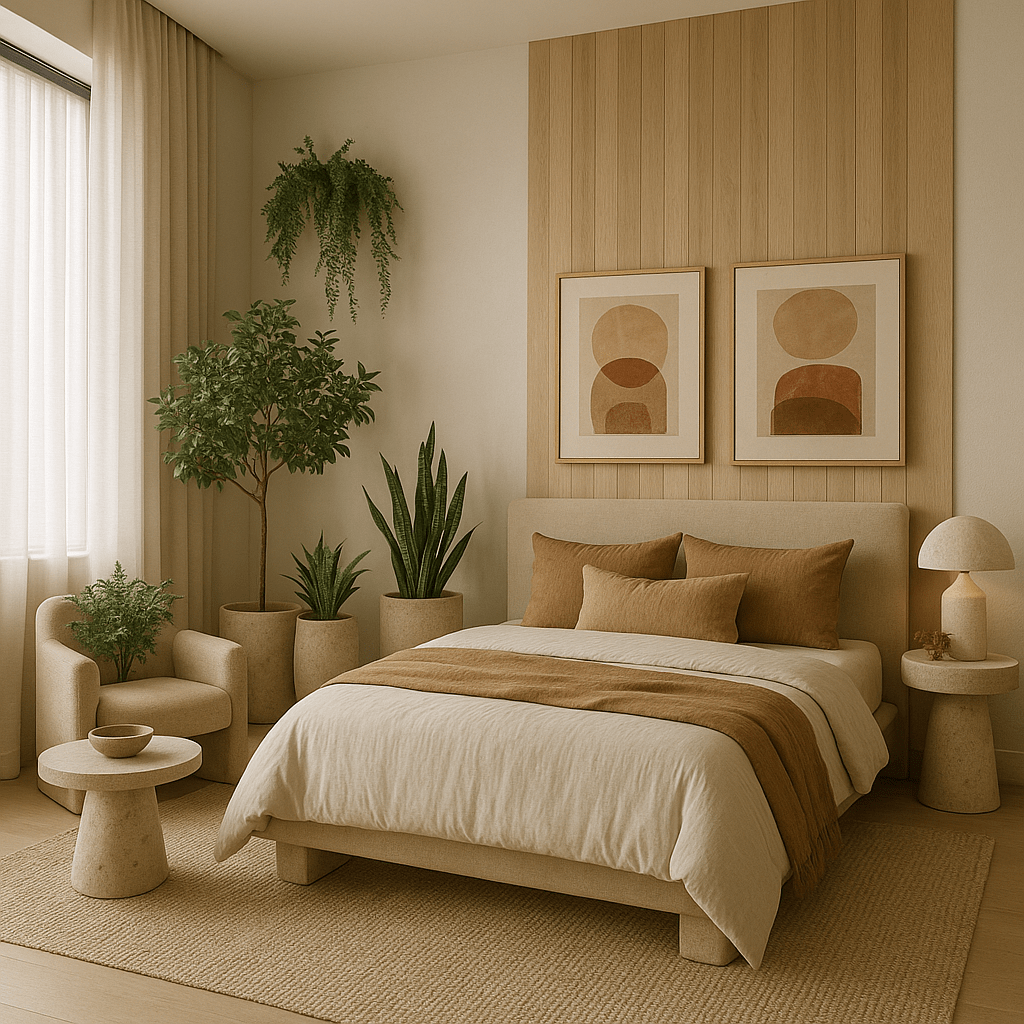
Despite the simplicity of Japandi interior design principles, the overall ambiance never feels cold. This is a result of the meticulous use of tactile materials, which give rooms character and softness without visual noise.
The Japandi colour palette
Sand beige
Soft taupe
Stone grey
Muted green
Charcoal
A practical guide: 50% beige, 30% warm white, 10% grey, 10% accent colour. The palette should feel like the room is exhaling rather than performing.
Incorporate raw wood textures for Japandi coffee tables, wool throws, woven carpets, area rugs, and linen cushions by combining rough and smooth surfaces. Rattan, ceramics, and finely grained woods create visually captivating layering without overpowering patterns.
These textures perfectly blend Japandi interior design principles and Scandinavian cosiness to create a warm, minimalist atmosphere — the same balance explored in our wabi-sabi living guide.
Japandi lighting — creating calm through light
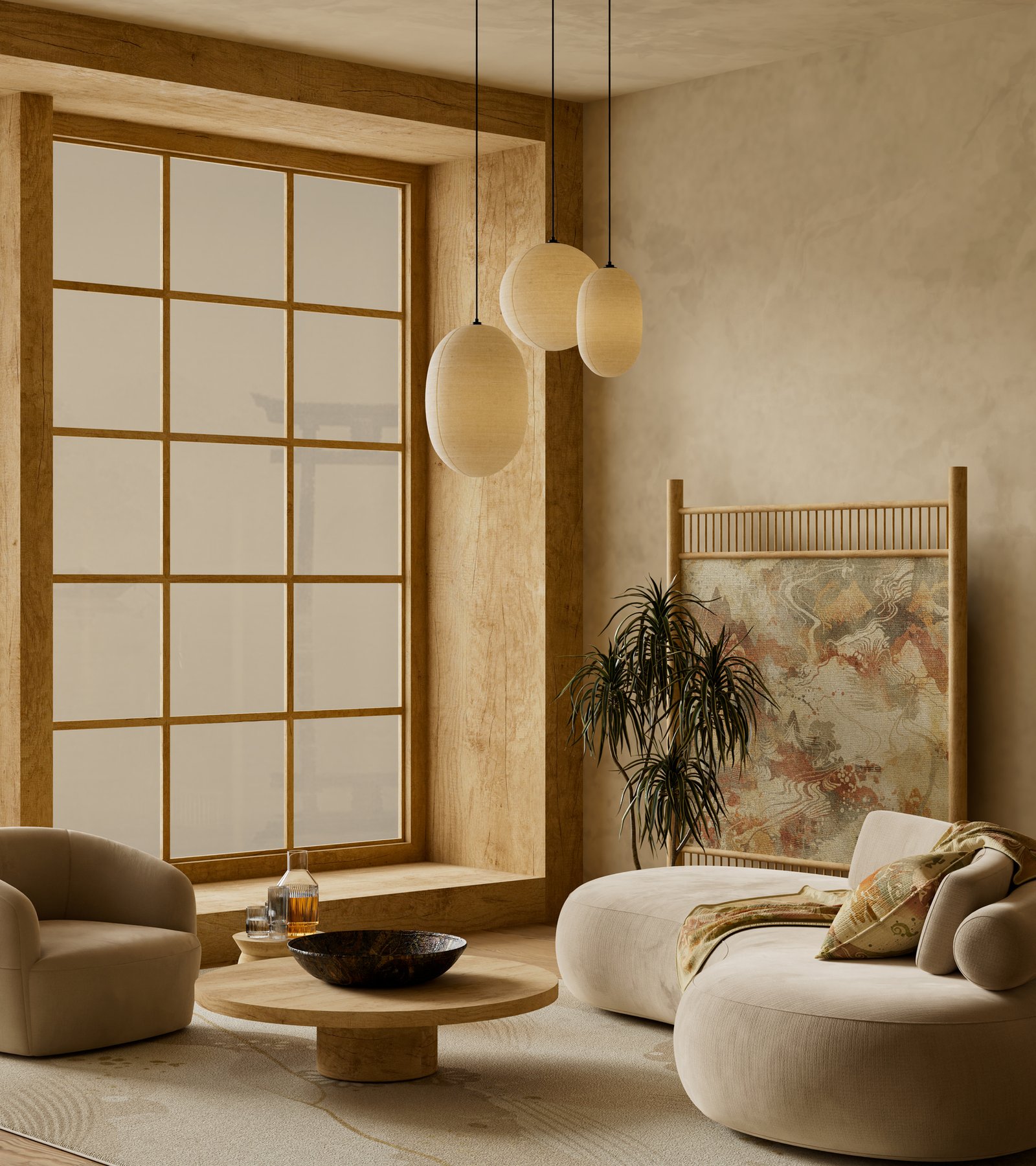
It is more crucial to make an interior space calm with an inviting ambiance that accentuates the room’s natural beauty rather than simply making the entire space brighter. The image above demonstrates this perfectly — three washi paper pendants, a Japanese shoji-style window, and warm timber throughout. No overhead spotlight, no cold white light.
Use diffused, natural shade materials
Paper lanterns, linen lampshades, or wooden pendant lights. The shade material matters as much as the bulb — a linen shade at 2700K creates a fundamentally different quality of light to a plastic shade at the same temperature.
Layer multiple light sources
Reading lamps, ambient lighting, and small accent lights — never a single overhead source. The 5–7 light rule: aim for at least five light sources in any main living area at different heights.
Maximise natural light during the day
Minimal or sheer window treatments are ideal. A sheer curtain or translucent bamboo shade filters rather than blocks — light should follow the rhythm of the day rather than override it.
For specific floor lamp recommendations, our Japandi floor lamps guide covers five verified Etsy picks. For the complete layering approach, see the complete Japandi lighting guide.
Source: ANEC Interior Design Studio
Mindful decor — less but meaningful
Decoration is implemented minimally but purposefully to maintain the Japandi look. Each component has a backstory or function, and every empty space is given room to grow.
Handcrafted and organic elements
Dried plants, simple ceramic vases, and handcrafted objects that showcase the imperfections of wabi-sabi as decor. These are connections to the natural world — not decorations.
Biophilic design thinking
A single fiddle leaf fig in a large ceramic planter. Pampas grass stems in a narrow ikebana vase on your dining table. One organic element per surface — never more.
One statement over many small pieces
A wooden mirror, a sculptural vase, or a thoughtfully positioned bonsai. The room is transformed by restraint, not accumulation. The Japanese concept of ma — the beauty of empty space — is doing more work than anything you would put there.
Source: ANEC Interior Design Studio
Adapting Japandi to small urban living spaces
Living in an urban setting frequently calls for creativity, particularly when navigating constrained spaces. Fortunately, Japandi interior design principles complement small-space living exceptionally well because of their focus on simplicity, lightness, and multifunctional solutions.
Visual tricks to expand small spaces
Use a subtle Japandi colour scheme to let light in — the palette should feel like the room is exhaling, not performing
Use slim silhouettes and floating furniture to create visual fluidity — avoid anything that sits heavy on the floor without purpose
Place mirrors strategically across from windows to double the depth and illumination of any room
Clear clutter from floors and walls to let the eye move freely — negative space is a design decision, not a gap to fill
Space-saving furniture and smart storage
Select multipurpose pieces with hidden storage — a low coffee table with storage anchors the room and solves a practical problem simultaneously
Make use of vertical wall storage — tall, thin cabinets and floating shelves use the ceiling height that compact rooms rarely exploit
Include hidden storage wherever possible — under built-ins, behind sliding panels, or beneath the sofa
For a comprehensive guide on choosing furniture that works in compact spaces, see our Japandi furniture: the complete style guide.
Source: ANEC Interior Design Studio
Final thoughts — achieving serenity through simplicity
Japandi home decor encourages us to stop, think, and simplify — not just in our living spaces but in our daily lives. By following these principles and maximising the use of natural materials and considered form, we create environments that promote mindfulness, improve our daily routines, and support our wellbeing.
By fusing Scandinavian warmth with Japanese restraint, Japandi inspires us to let go of what isn’t important and appreciate what matters. Whether you are drawn to the soft lighting, the textural layering, or the low furniture, this design aesthetic appeals to a fundamental human need for clarity and peace.
For a deeper exploration of the philosophy behind these principles, our complete Japandi design guide and the wabi-sabi living guide are the best next steps.
Frequently asked questions
What are the Japandi colour trends for 2026?
Japandi interiors in 2026 are embracing warmer earth tones — terracotta, clay beige, muted olive, and soft sandstone. Trending colours include warm greys, smoked oak, and soft black for contrast. The practical colour split: 50% beige/sand, 30% warm white, 10% grey, 10% accent.
What are the principles of Japandi interior design?
Japandi is a fusion of Japanese and Scandinavian design principles focusing on minimalism, functionality, and natural materials. It blends wabi-sabi — embracing imperfection — with Scandinavian hygge, the cultivation of warmth and comfort. The four practical principles: clean minimalism, neutral colour palette, natural light, and honest sustainable materials.
Japandi vs wabi-sabi — what’s the difference?
Japandi is a hybrid of Japanese minimalism and Scandinavian functionality — more polished and accessible. Wabi-sabi is a purely Japanese philosophy that celebrates imperfection, transience, and raw authenticity. The two complement each other — Japandi provides the structure, wabi-sabi provides the soul. See our wabi-sabi living guide for the full exploration.
How do I start applying Japandi principles to my home?
Start with one room and one principle. The highest-impact first step is usually the coffee table — solid oak or walnut, low profile, clean lines. Then layer in natural textiles and address the lighting by adding a Japandi floor lamp and removing the overhead source. Our Japandi design guide and furniture hub are the best starting points.
Apply these principles — our curated guides
Every guide below was curated against the principles covered in this article — natural materials, honest craft, and correct Japandi proportions.
Living room
Japandi Coffee Tables →
10 verified Etsy picks. One clear top recommendation.
Lighting
Japandi Floor Lamps →
5 lamps — solid wood, linen shades, warm diffused light.
Textiles
Japandi Rugs Guide →
Materials, sizing, and placement for a Japandi room.
Dining
Japandi Dining Centrepiece →
The three-element formula plus 6 product picks.
Lighting guide
Japandi Lighting Guide →
Colour temperature, the 5–7 light rule, layering sources.
Philosophy
Wabi-Sabi Living Guide →
Imperfection, impermanence, and honest beauty.
Japandi interiors in 2025 are embracing warmer earth tones like terracotta, clay beige, muted olive, and soft sandstone. These hues reflect a shift toward deeper, nature-inspired palettes. Trending colors include warm greys, smoked oak, and soft black for contrast. Cool greys and overly stark whites are slowly being phased out in favor of more grounded, tactile shades that enhance warmth and balance.
Japandi is a fusion of Japanese and Scandinavian design principles, focusing on minimalism, functionality, and natural materials. Core values include simplicity, intentionality, and calmness. It blends the Japanese concept of wabi-sabi (embracing imperfection and impermanence) with Scandinavian hygge (coziness and comfort). This results in serene, clutter-free interiors that prioritize quality over quantity.
While both styles share Japanese roots, Japandi is a hybrid of Japanese minimalism and Scandinavian functionality, emphasizing modernity and structure. In contrast, Wabi-Sabi is a purely Japanese philosophy that values imperfection, transience, and raw authenticity. Japandi is more polished, whereas Wabi-Sabi celebrates aged, weathered, or asymmetrical design elements.

Hi, this is a comment.
To get started with moderating, editing, and deleting comments, please visit the Comments screen in the dashboard.
Commenter avatars come from Gravatar.
Pingback: 5 stunning Japandi Coffee Tables to Elevate Your Living Room | sabi.japandistylehomedecor
Pingback: Japandi Lighting: The Ultimate Guide to illuminating your space | sabi.japandistylehomedecor
Pingback: Japandi Dining Table: The Guide to the perfect centrepiece(2025)
Pingback: Japandi Furniture 2026: Buyer's Guide for Minimal living | sabi.japandistylehomedecor