
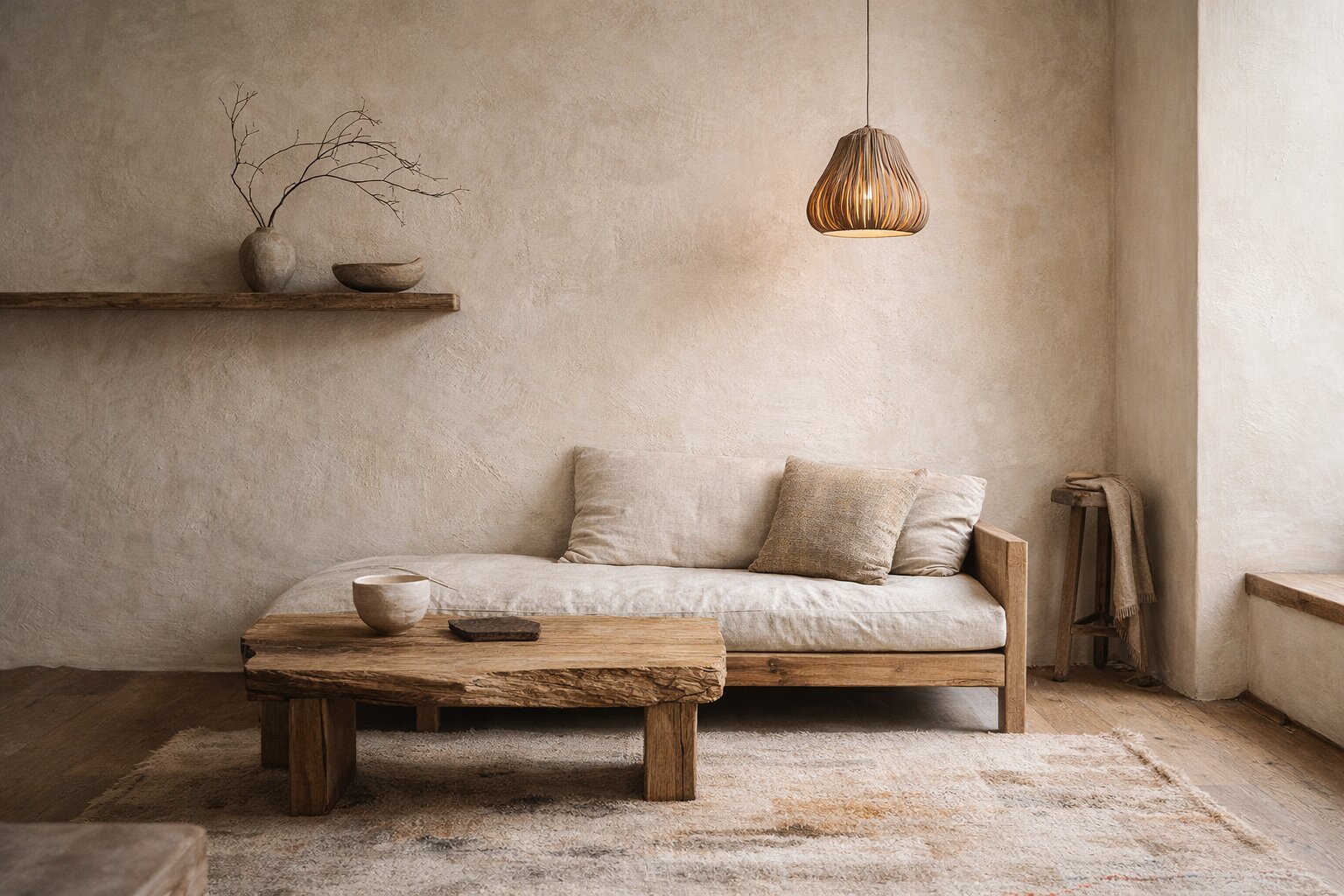
Wabi-Sabi Interior Design:
Create a Calming Home
Contents
- 1 Wabi-Sabi Interior Design:Create a Calming Home
- 1.1 What Is Wabi-Sabi Interior Design?
- 1.2 The Four Core Principles of Wabi-Sabi interior Design
- 1.3 Essential Materials & Colour Palette
- 1.4 The Wabi-Sabi Living Room
- 1.5 The Wabi-Sabi interior design Bedroom
- 1.6 The Wabi-Sabi Kitchen
- 1.7 Lighting: The Soul of the Wabi-Sabi Space
- 1.8 Curated Decor & Ceramic Picks
- 1.9 5 Common Wabi-Sabi Design Mistakes to Avoid
- 1.10 Frequently Asked Questions
- 1.11 Start with One Imperfect Thing
Disclosure: This article contains affiliate links. If you purchase through our links we may earn a small commission at no extra cost to you. We only recommend products that genuinely embody the wabi-sabi aesthetic.
Wabi-sabi interior design makes your home feel like a sanctuary — not a showroom. It offers a quiet antidote to the relentless pursuit of perfection: spaces built around natural materials, honest textures, and the slow beauty of imperfection.
This guide walks you through every room of the wabi-sabi home, the design principles that make it work, and a curated edit of products that bring this philosophy to life — from handthrown ceramic vases, wabi-sabi wall art to rattan pendant lights and lived-in linen textiles.
What Is Wabi-Sabi Interior Design?
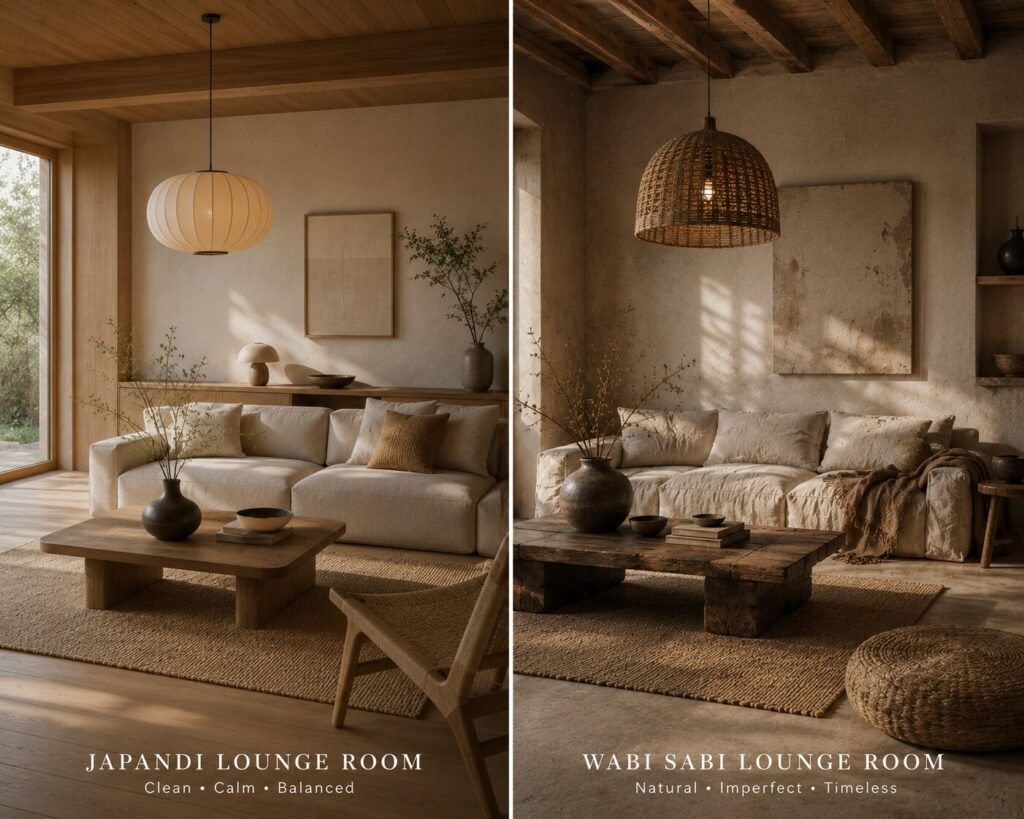
Wabi-sabi is a Japanese philosophy rooted in the 16th-century tea ceremony tradition — a rejection of ostentation in favour of quiet, imperfect beauty. In the context of interior design, it translates into spaces that feel lived-in, grounded, and deeply human. If you’re new to the concept, our complete wabi-sabi living guide covers the full philosophy. alternatively an offshoot of the wabi sabi philosophy is – japandi. learn how the two are different. japandi vs wabi -sabi: whats the difference?
. In the context of interior design, it translates into spaces that feel lived-in, grounded, and deeply human.
Unlike minimalism, which strips away until nothing remains, wabi-sabi interior design strips away until only what matters remains. The difference is warmth. A wabi-sabi room holds a handthrown bowl with a slightly uneven rim, a linen throw with a natural wrinkle, a reclaimed wooden shelf with visible grain. Each object carries character. Each surface invites touch.
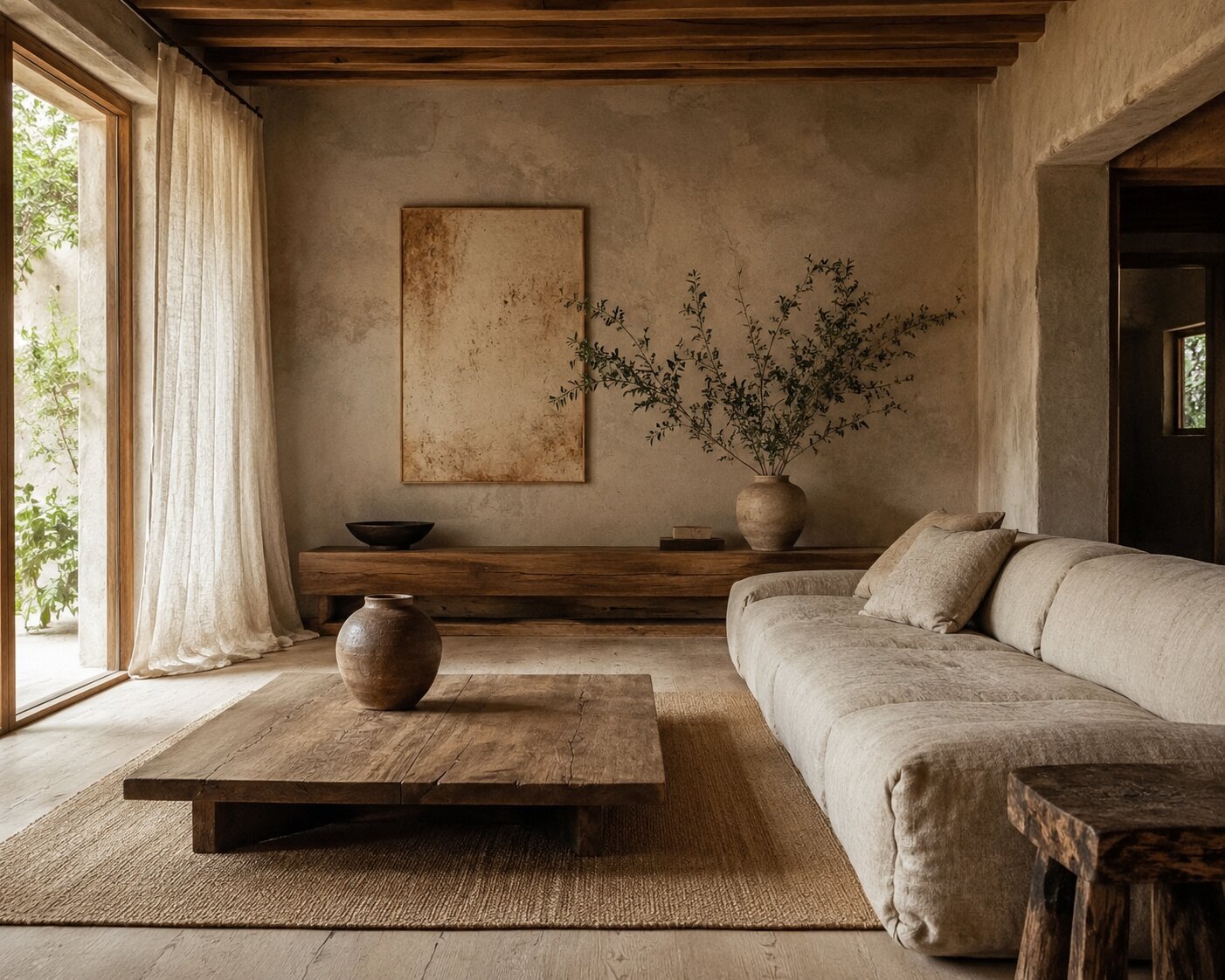
A wabi-sabi living room anchored by raw linen, natural wood, and a single handthrown ceramic piece.
In 2026, as more people seek refuge from hyper-curated digital spaces, wabi-sabi home decor has moved from niche to mainstream — but its essence remains countercultural: resist the algorithm, choose the imperfect thing. Dezeen’s wabi-sabi coverage charts how this shift has played out across architecture and interiors globally.
The Four Core Principles of Wabi-Sabi interior Design
1. Imperfection as beauty
A crack in a glaze, a knot in a timber board, an asymmetric vase — these are not flaws to be corrected. They are the marks of time and making. Wabi-sabi design celebrates the unique character that only natural processes and human hands create.
2. Simplicity, not emptiness through wabi-sabi interior design
Wabi-sabi spaces feel calm because they are intentional, not because they are bare. Each object earns its place. A single ceramic bowl on an open wooden shelf speaks louder than twenty pieces of mass-produced decor.
3. Naturalness & honest materials
Stone, wood, clay, linen, wool, rattan — materials that came from the earth and age honestly. Wabi-sabi rejects veneers, laminates, and synthetic approximations. If a surface is wood, it should look and feel like wood: grain, texture, and all.
4. Transience & acceptance
Things age, patinas develop, and wear accumulates. Wabi-sabi asks us to welcome this. A linen cushion softened by use, a copper dish that has deepened in tone — these are not objects that need replacing. They are becoming more themselves.
Essential Materials & Colour Palette
The wabi-sabi palette is drawn entirely from nature. It is neither stark white nor rich jewel tone — it lives in the territory between, in the colours of unbleached cloth, river stone, dry earth, and aged timber.
| Material | Where to use it | What it brings |
|---|---|---|
| Linen | Cushions, curtains, bedding, throws | Warmth, natural wrinkle texture, breathability |
| Raw wood | Tables, shelving, bowls, frames | Grain character, organic warmth, grounding presence |
| Unglazed ceramic | Vases, bowls, lamp bases, planters | Tactile imperfection, earthy tone, handmade identity |
| Rattan / bamboo | Pendant lights, baskets, chairs, trays | Organic weave texture, warm filtered light |
| Natural stone | Side tables, trays, countertops | Weight, permanence, mineral variation |
| Wool & jute | Rugs, cushions, floor throws | Tactile depth, insulation, natural texture |
Colours sit in the range of warm sand, dusty clay, stone grey, muted terracotta, and soft linen white. Avoid cool whites and bright neutrals — they flatten texture. Choose whites that lean cream or stone.
The Wabi-Sabi Living Room
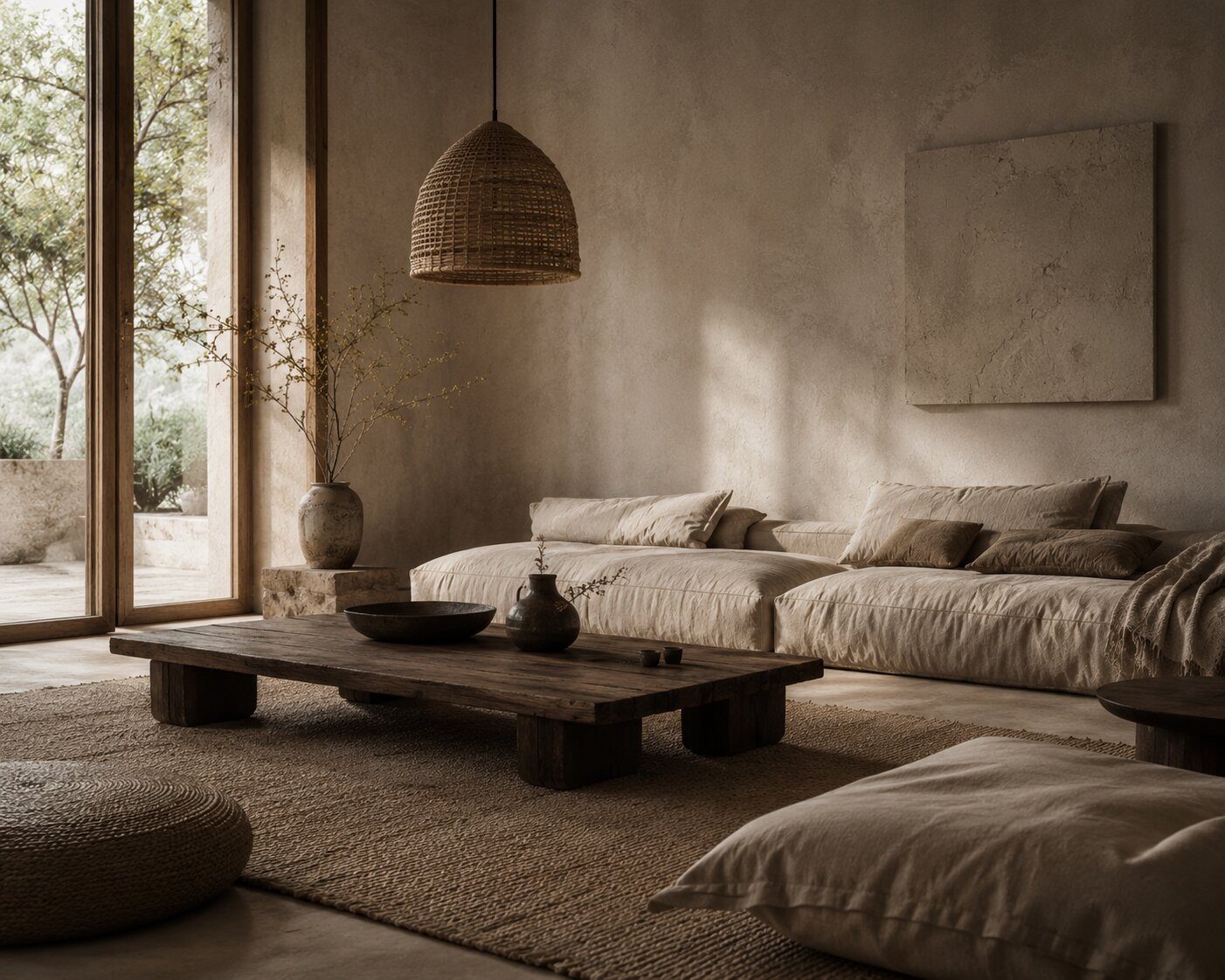
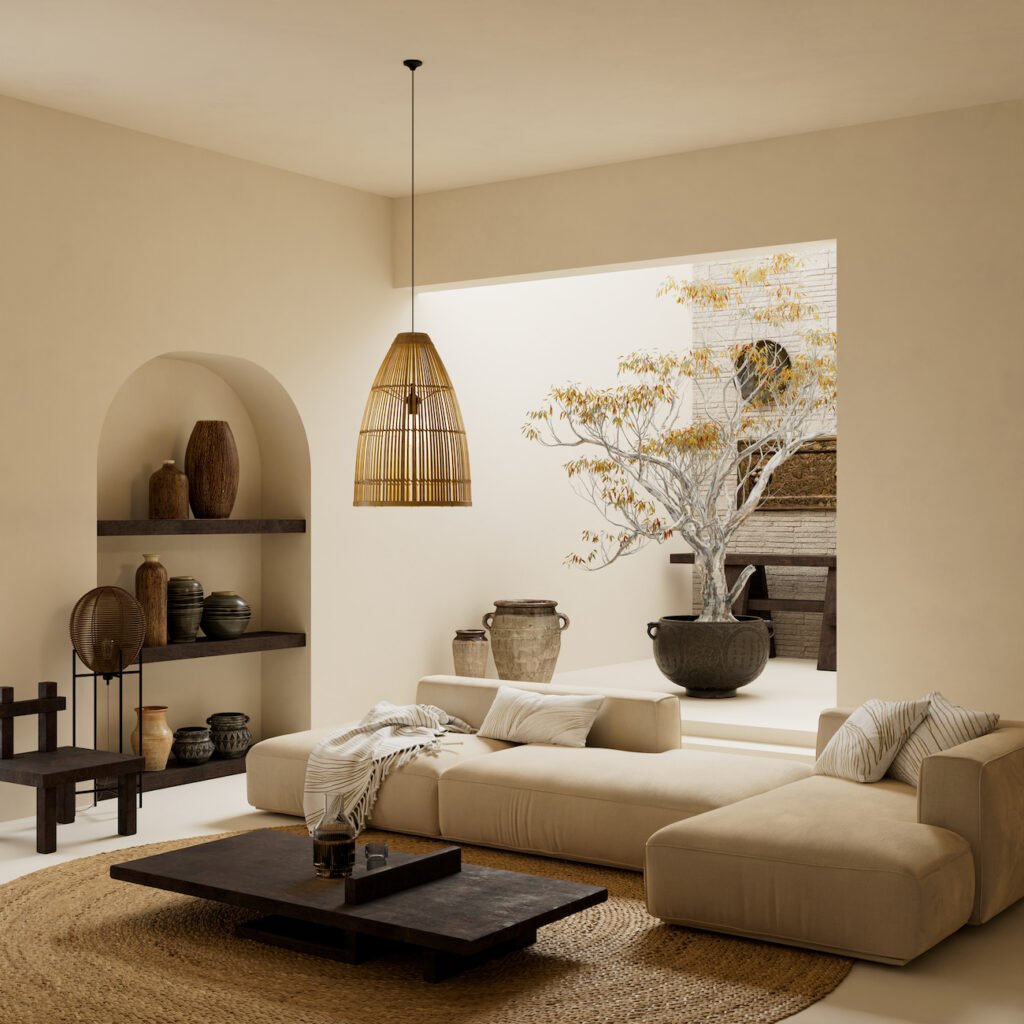
Low-profile seating, natural linen, and a single rattan pendant anchor the wabi-sabi living room.
The wabi-sabi living room prioritises low, grounded furniture — sofas close to the floor, low wooden coffee tables, a single open shelf rather than a wall unit. The eye should move slowly, resting on texture and form rather than being pulled by visual clutter.
Key styling moves for this space: a linen sofa in warm sand or natural undyed tones; a jute or wool rug with a subtle handwoven weave; a small cluster of ceramic vessels (different heights, same tonal family) on a raw wood shelf; one rattan pendant for diffused, warm light overhead.
Styling tip: the rule of threes
- Group objects in odd numbers — three ceramic vessels of different heights create more visual interest than two perfectly matched pieces.
- Vary the material within the group: one glazed, one raw, one stone or wood.
- Leave deliberate empty space on shelves — the gap is part of the composition.
Shop: Living Room Picks
Etsy
Handwoven Linen Cushion Cover — Natural Undyed
Stonewashed pure linen in undyed natural tone. Textured weave, invisible zip, 50×50cm. Ships from European artisan maker.
From $34 USD
Shop on Etsy → Top Seller
Amazon
Rattan Woven Pendant Light — Boho Hanging Shade
Hand-woven natural rattan in organic globe form. Fits E26/E27 bulb. Creates warm dappled light. Ceiling rose included.
~$48 USD
Shop on Amazon →
Amazon
Chunky Jute Area Rug — Hand-braided Natural Fibre
100% natural jute, hand-braided in earthy tones. Available 120×180cm to 200×290cm. Non-slip backing, reversible.
From $65 USD
Shop on Amazon →The Wabi-Sabi interior design Bedroom
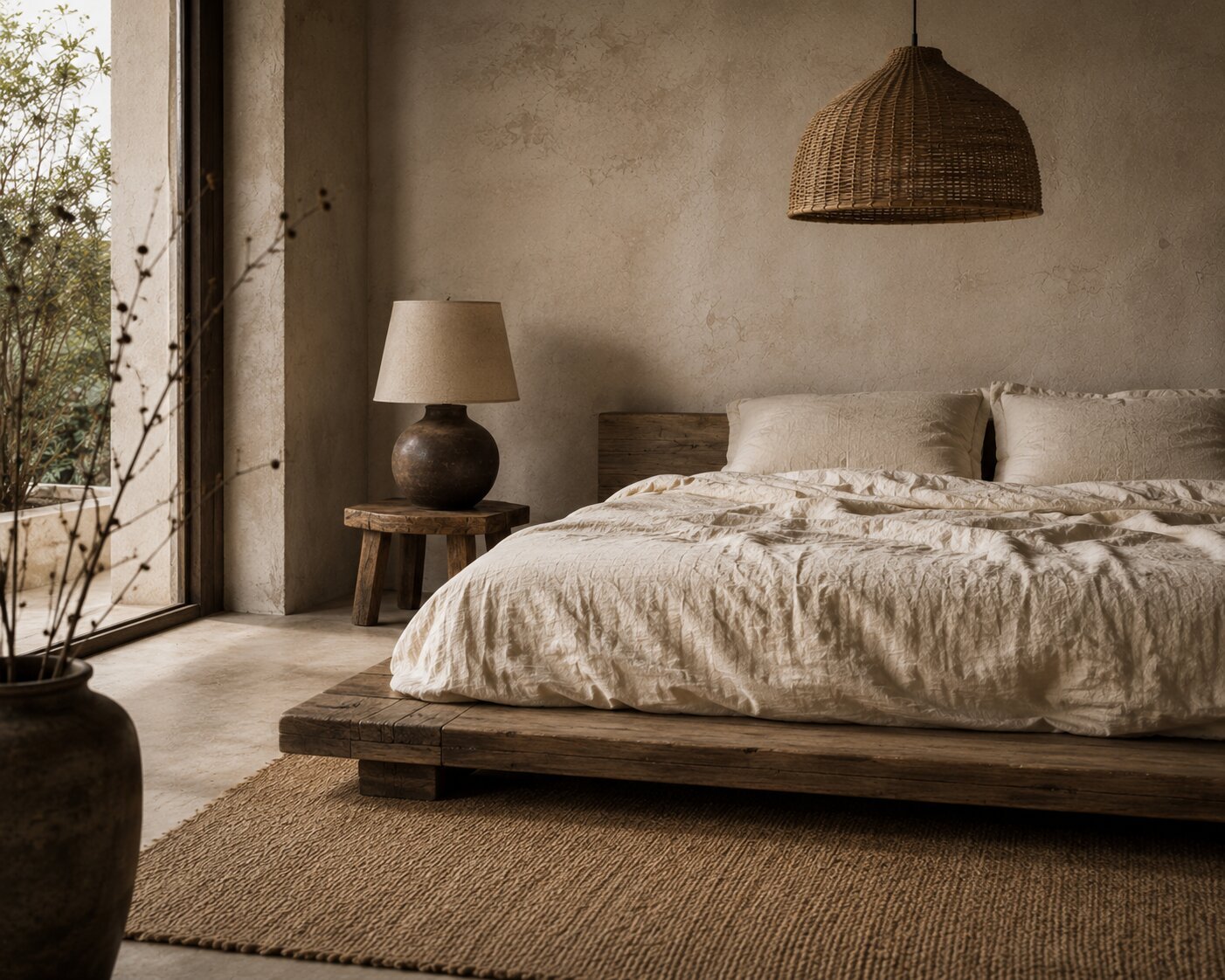
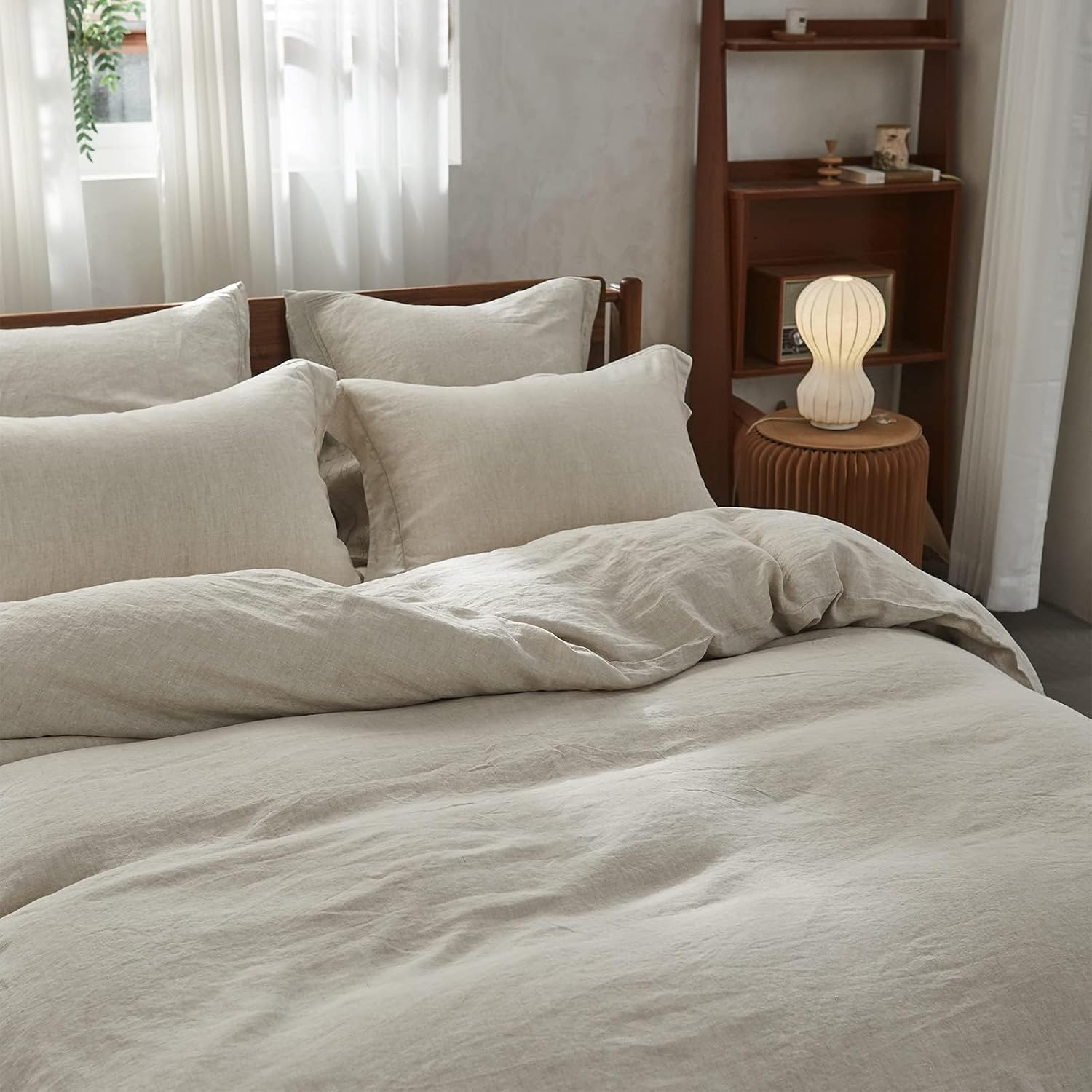
Linen bedding in warm white, a low wooden platform bed, and a single ceramic lamp base create calm through restraint.
The bedroom is where wabi-sabi design finds its most natural expression. Linen bedding is essential — its natural creases carry an honesty that ironed cotton cannot. A low platform bed in oiled oak or raw walnut sits close to the ground, connecting the room to the earth below.
On the nightstand: a single handthrown ceramic lamp with a warm-toned bulb (2700K), a small dried botanical stem in a narrow vessel, and nothing else. The quiet clarity of the bedside table sets the tone for sleep.
Shop: Bedroom Picks
 Best Seller
Amazon
Stonewashed Linen Duvet Cover Set — Oatmeal
100% French linen, pre-washed for instant softness. Natural oatmeal/stone colourway. Includes two pillowcases. Full, Queen, King available.
From $89 USD
Shop on Amazon →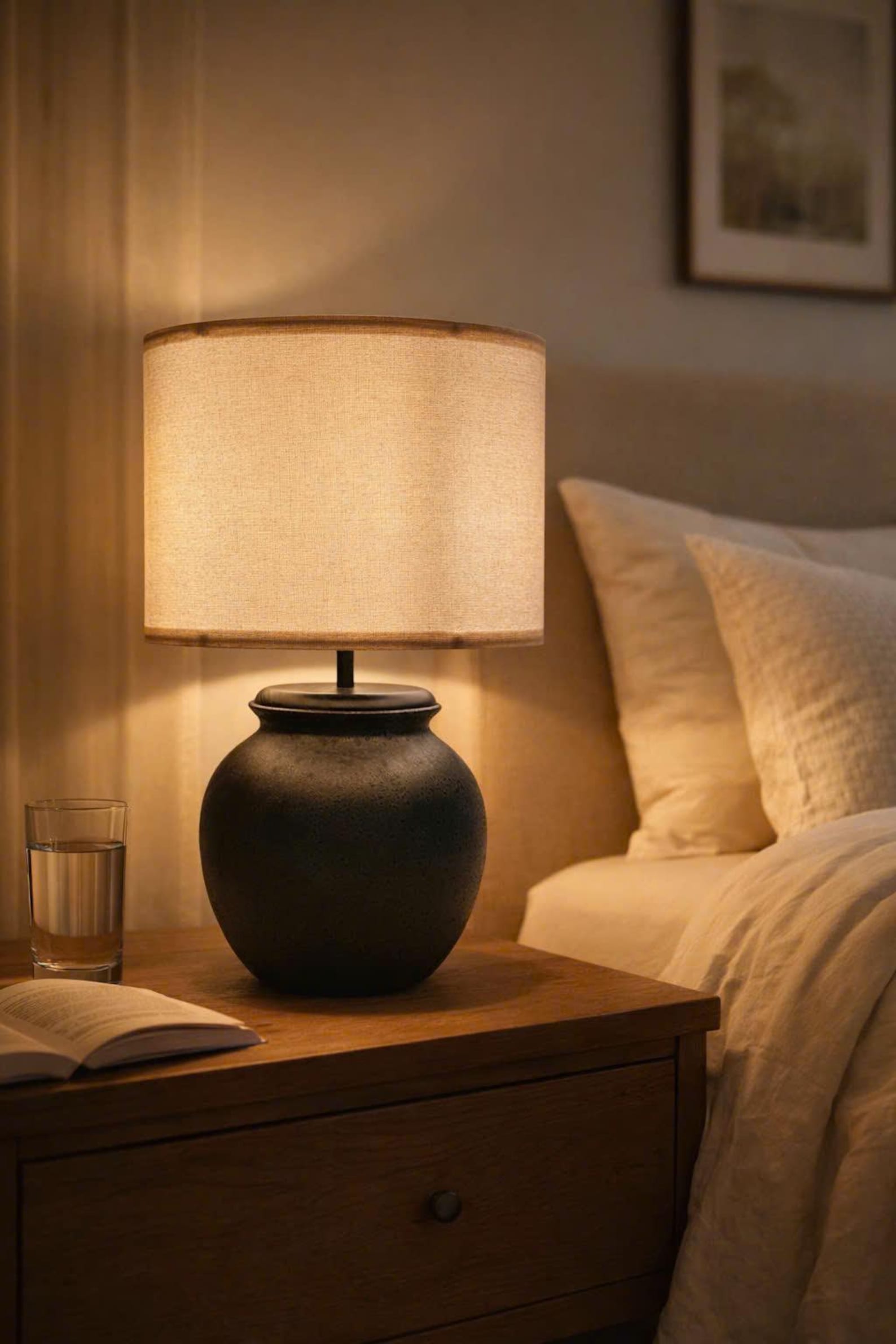 Etsy Pick
Etsy
Handthrown Ceramic Table Lamp Base — Unglazed Clay
Wheel-thrown stoneware in warm clay tone. Each piece unique with subtle throwing marks. Fits standard UK/EU/US bulb fittings. Shade not included.
From $72 USD
Shop on Etsy →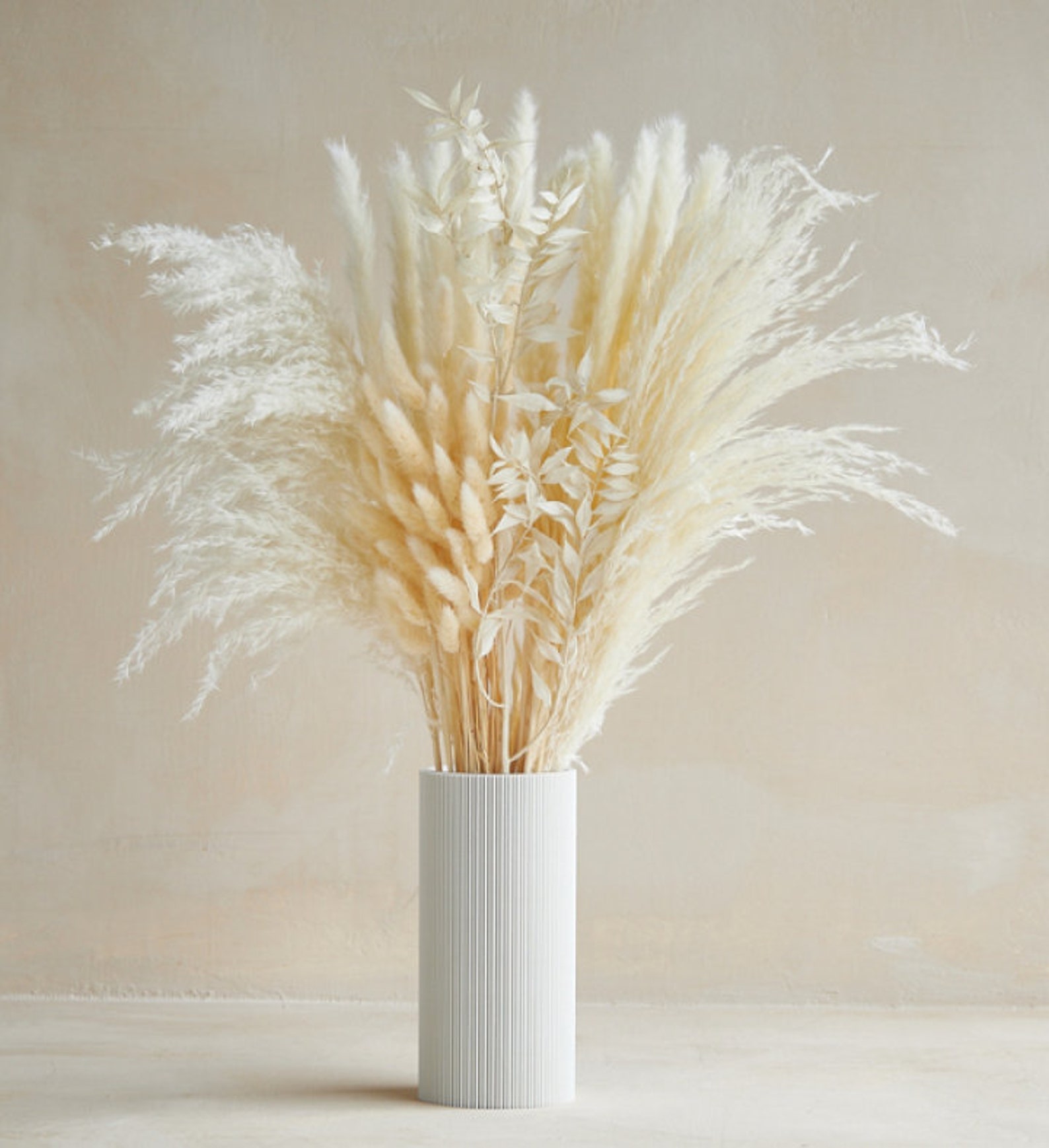
Etsy
Dried Pampas Grass Bundle — Natural Cream Stems
Naturally dried and preserved pampas. No shedding when handled gently. Cream/wheat tones. Bundle of 5–7 full stems. Ships flat-packed.
From $22 USD
Shop on Etsy →The Wabi-Sabi Kitchen
The wabi-sabi kitchen earns its beauty through daily use, not staging. Open wooden shelves display handmade ceramics and everyday bowls. A single live-edge timber board lives on the counter. A stone mortar and pestle sits out as sculpture and tool equally.
Resist the urge for uniformity. Mixed ceramic tableware — same tonal family, different forms — creates a quietly curated table that feels gathered over time rather than purchased in a set. Choose glazes in soft clay, warm stone, and dusty sage.
Shop: Kitchen & Table Picks
 Top Rated
Etsy
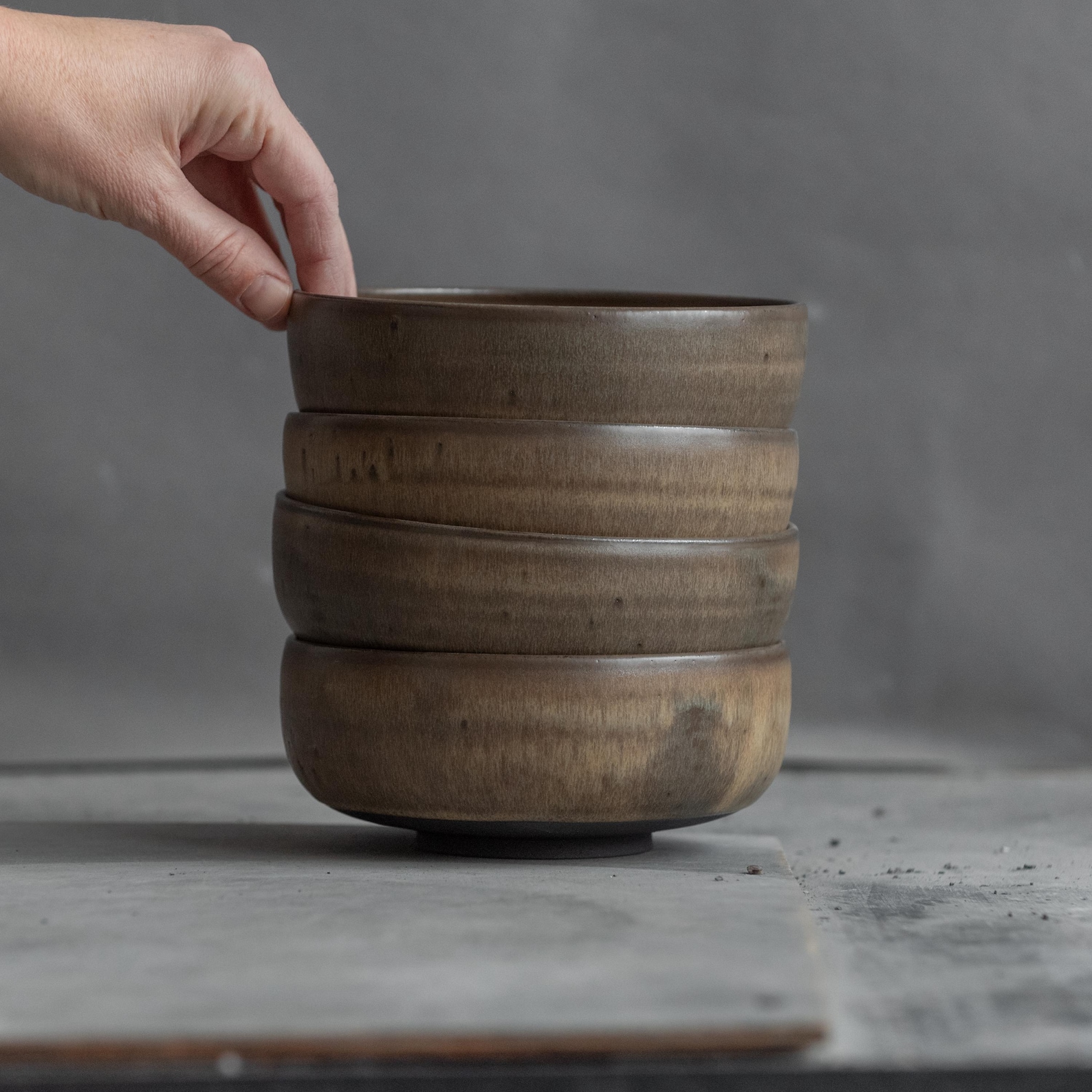
Handmade Stoneware Bowl Set — Reactive Glaze
Set of 4 hand-potted stoneware bowls in soft clay reactive glaze. Each piece subtly unique. Microwave and dishwasher safe. Ideal for ramen, soup, or display.
From $58 USD
Shop on Etsy →
Amazon
Live Edge Walnut Serving Board — Natural Grain
Hand-finished solid walnut with natural live edge preserved. Oil-treated, food safe. Doubles as a countertop display piece. Each board unique.
~$44 USD
Shop on Amazon → Trending
Amazon
Granite Mortar & Pestle — Large Rough Stone Finish
Heavy-grade granite with rough natural finish inside and out. Visually sculptural on the counter. 16cm diameter, 2.5kg weight. Ideal for spices and herbs.
~$39 USD
Shop on Amazon →Lighting: The Soul of the Wabi-Sabi Space
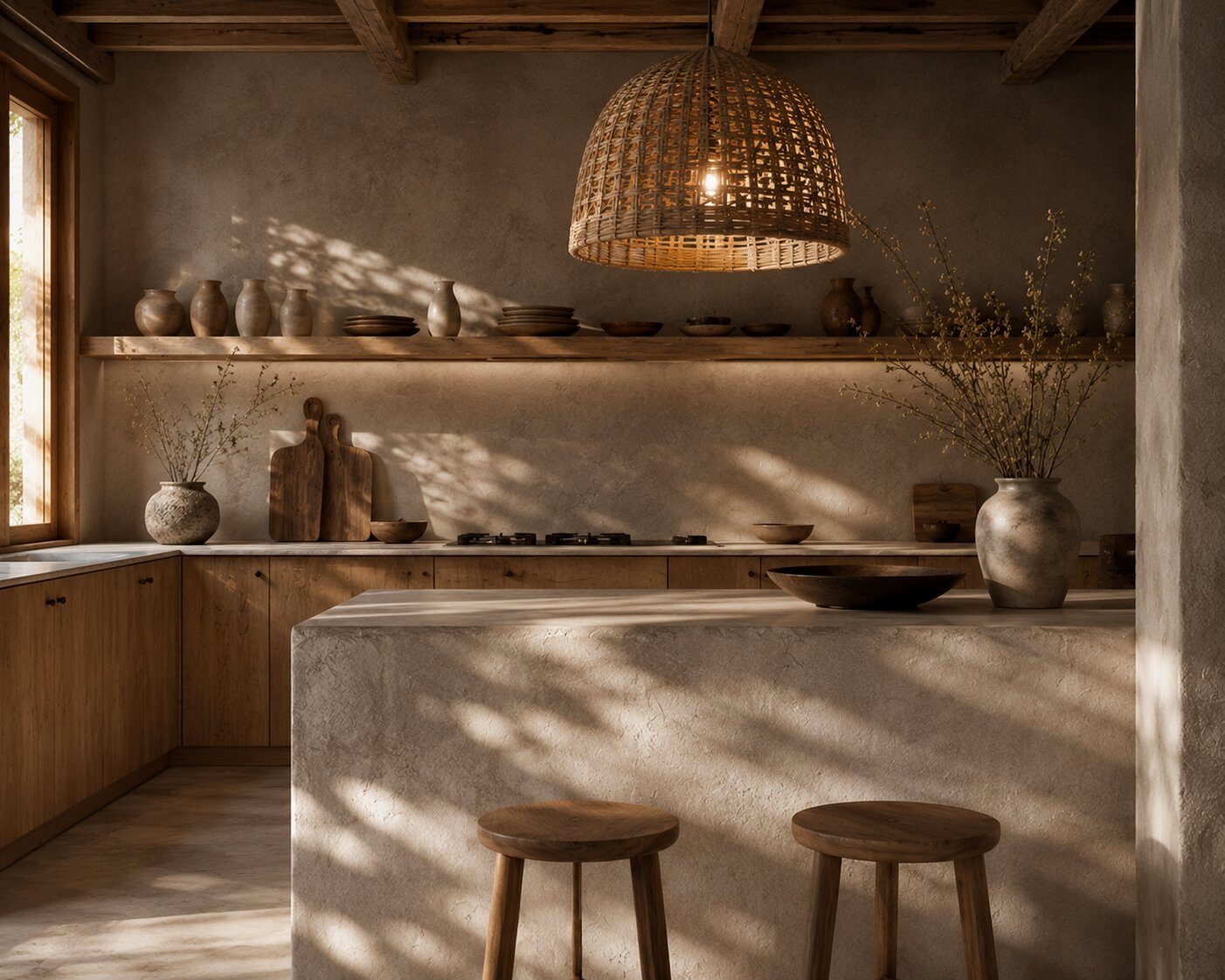
A woven rattan pendant creates patterned light and shadow — the texture shifts throughout the day.
Lighting in a wabi-sabi interior is never flat, never cold, never harsh. The goal is to model texture — to make the grain in a timber shelf, the weave of a linen curtain, or the matte surface of a ceramic vessel visible. This requires warm-toned bulbs (2700–3000K) and layered sources.
Prioritise three layers: a pendant or ceiling fixture for ambient light; a floor or table lamp for task and atmosphere; and either candles or a low-wattage accent lamp for evening. Dimmers are essential — the room should shift from bright and functional during the day to intimate and warm after sunset.
Lighting material guide
- Rattan pendants — warm dappled light through natural weave; best above a dining table or low seating area
- Unglazed ceramic shades — diffuse light with a soft sculptural presence; ideal for bedside and desk
- Paper lanterns — exceptionally soft ambient glow; works in corners and hallways
- Raw wood floor lamps — grounding vertical presence; pairs well with a reading chair
Shop: Lighting Picks
 Top Pick
Amazon
Organic Cocoon Rattan Pendant — Natural Fibre
Sculptural cocoon-form in hand-woven natural rattan. Casts beautiful shadow patterns on walls. E27 fitting, 30cm diameter. Adjustable hanging cord.
~$55 USD
Shop on Amazon →
Amazon
Washi Paper Lantern Floor Lamp — Warm Diffuse Light
Traditional washi paper over a simple wood frame. Creates a soft, diffuse glow. 165cm tall. Classic akari-inspired form. Ideal for reading corners.
From $62 USD
Shop on Amazon →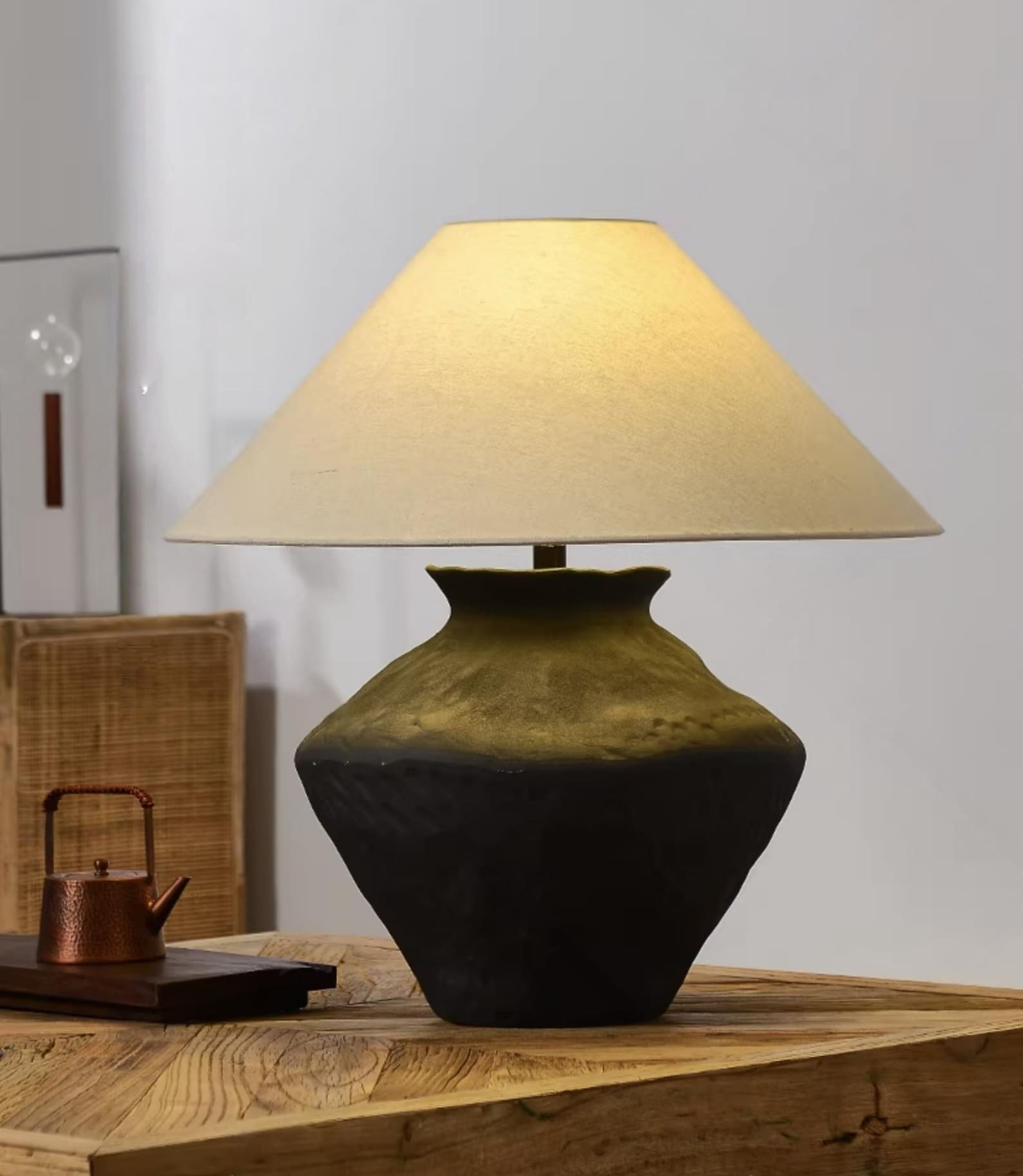 Etsy Pick
Etsy
Matte Stoneware Lamp Base — Handmade Textured Finish
Wheel-thrown with textured exterior. Matte clay glaze, each piece unique. Includes cord set. 25cm height. Pairs with a linen shade (sold separately).
From $85 USD
Shop on Etsy →Curated Decor & Ceramic Picks
Ceramics and vessels are the punctuation of a wabi-sabi room. Choose pieces that show the hand of the maker — asymmetric lips, throwing marks, subtle colour variation in the glaze. A cluster of three vessels in different heights on a low shelf or windowsill is one of the simplest, highest-impact wabi-sabi moves available.
Shop: Vases, Ceramics & Decor
 Bestseller
Etsy
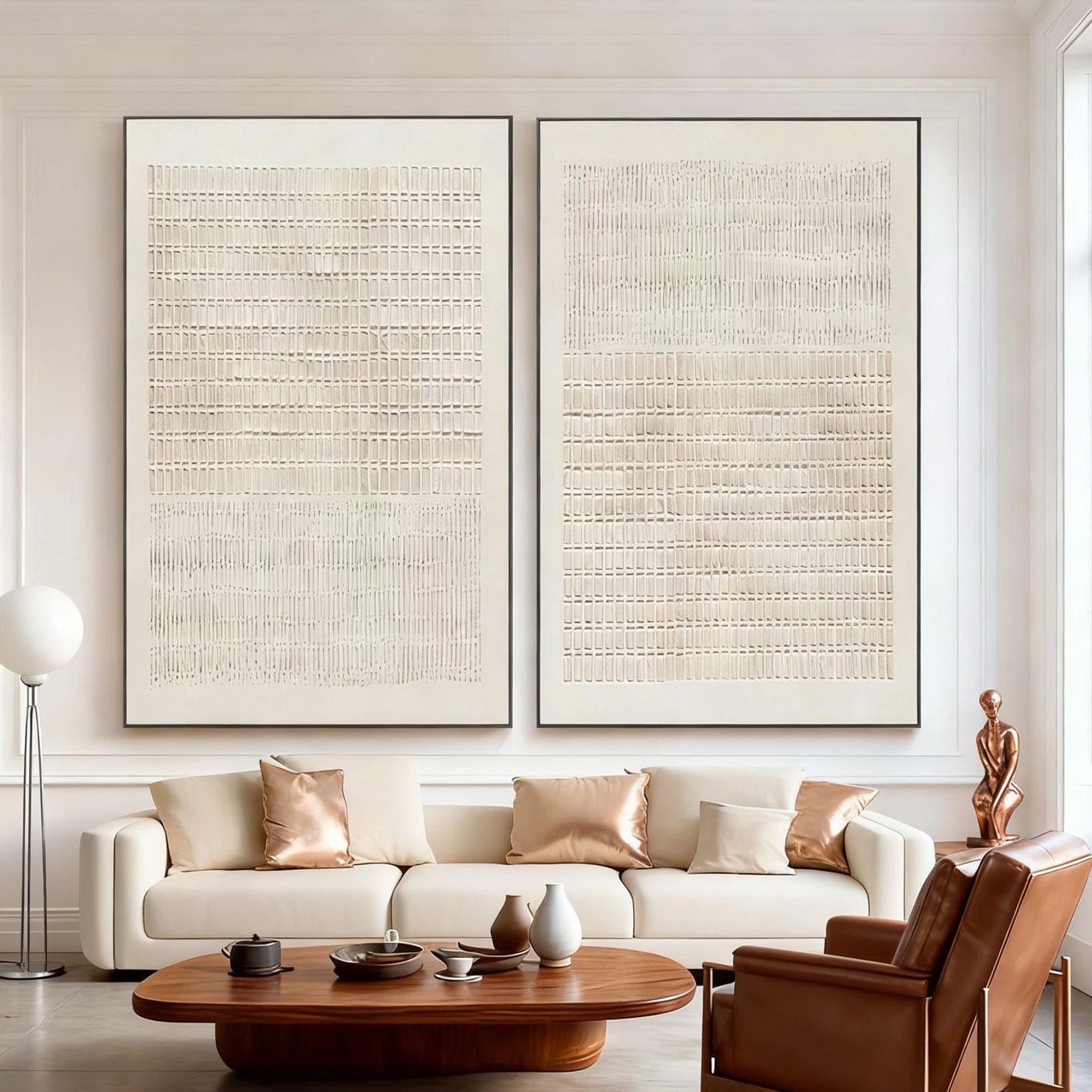
Asymmetric Wabi-Sabi Ceramic Vase — Handthrown Stoneware
Intentionally asymmetric form with matte sandy glaze. Showing subtle throwing marks and organic lip. 18–22cm height. Each piece one-of-a-kind.
From $48 USD
Shop on Etsy → Etsy PickEtsy
Organic Stoneware Bowl — Natural Display Piece
Hand-thrown with a subtle reactive glaze that shifts in tone across the surface. Doubles as a fruit bowl, display object, or desk piece. Each one unique.
From $38 USD
Shop on Etsy → TrendingAmazon
Woven Rattan Wall Basket — Natural Fibre Decor
Hand-woven natural rattan in an organic round form. Hangs as wall art or sits as a display basket. Warm natural tone, 30cm diameter.
From $32 USD
Shop on Amazon →5 Common Wabi-Sabi Design Mistakes to Avoid
The wabi-sabi aesthetic is often misunderstood as a permission slip for clutter or neglect. It is neither. Here are the five most common traps, and how to avoid them.
- Over-accessorising. More imperfect objects does not equal more wabi-sabi. Restraint is the point. When in doubt, remove one thing.
- Buying “wabi-sabi” sets. Mass-produced matching sets contradict the philosophy at its core. Seek genuine handmade pieces, or genuinely aged ones.
- Confusing wabi-sabi with rustic or farmhouse. Wabi-sabi has no weatherboard, no shiplap, no galvanised tin. Its materials are finer — handmade, quiet, and refined in their imperfection.
- Using cool whites. Wabi-sabi lives in warm tones. Pure white walls flatten natural texture. Choose whites that lean into cream, stone, or warm sand.
- Ignoring light quality. LED daylight bulbs (5000K+) destroy the atmosphere. Use warm-toned bulbs (2700–3000K) and add dimmers wherever possible.
Frequently Asked Questions
What is the difference between wabi-sabi and minimalism?
Minimalism pursues perfection through reduction — the ideal minimalist space is flawless and empty of anything unnecessary. Wabi-sabi also reduces, but its goal is warmth rather than purity. A wabi-sabi space celebrates the imperfect object, the natural texture, and the mark of time in a way that minimalism does not. Both favour restraint; only wabi-sabi accepts and values imperfection.
What colours work best for a wabi-sabi interior?
Wabi-sabi colours are warm, muted, and drawn from nature: undyed linen white, sandy beige, dusty clay, warm stone grey, soft terracotta, aged timber brown, and muted sage. Avoid cool whites, bright primaries, and high-contrast palettes. The palette should feel as if it evolved naturally over time, not as if it was selected from a paint chart.
Is wabi-sabi interior design expensive?
Not inherently. While some handmade ceramic pieces and natural stone furniture carry a premium, wabi-sabi design actively encourages sourcing second-hand, repurposing, and appreciating what you already own. A worn timber board, aged brass, wabi-sabi wall art, candleholder, or vintage linen throw from a market is more authentically wabi-sabi than a new product from a fast-furniture retailer. The philosophy is about intentionality, not expenditure.
How do I start applying wabi-sabi to my home?
Start with a single shelf or surface. Remove everything. Return only what is truly meaningful or beautiful to you. Replace any synthetic materials with natural ones — a linen throw instead of polyester, a ceramic bowl instead of a plastic fruit bowl. Swap cool-white bulbs for warm-toned ones. These small changes create a significant shift in how a room feels. Build from there, one intentional choice at a time.
What is the difference between wabi-sabi and Japandi?
Japandi is a design hybrid of Japanese and Scandinavian aesthetics: clean lines, functional minimalism, and a refined neutral palette. It is more structured and polished than wabi-sabi. Wabi-sabi embraces asymmetry, organic irregularity, and visible imperfection in a way that Japandi does not. Both share natural materials and quiet tones, but wabi-sabi is the rougher, more philosophical of the two.
Start with One Imperfect Thing
Wabi-sabi interior design is not a makeover — it is a reorientation. You do not need to buy fifteen new things to create a calming home. You need to choose more carefully, remove more bravely, and learn to see beauty in what is already there.
The handmade bowl that wobbles slightly on the shelf. The linen pillow that holds the memory of a crease. The wooden table that carries a faint ring from a forgotten coffee cup. These are not flaws in your home. They are its character.
Start with one imperfect thing, and let the rest follow.

Pingback: What Is Japandi Design? Smart Styling Tips for Small Spaces
Pingback: wabi-sabi vs japandi : whats the difference? | sabi.japandistylehomedecor
Pingback: Top 10 Wabi-Sabi Wall Art Pieces on Amazon & Etsy (2026) | sabi.japandistylehomedecor