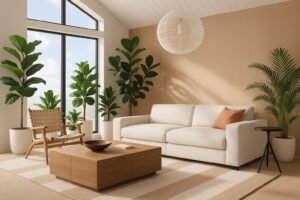
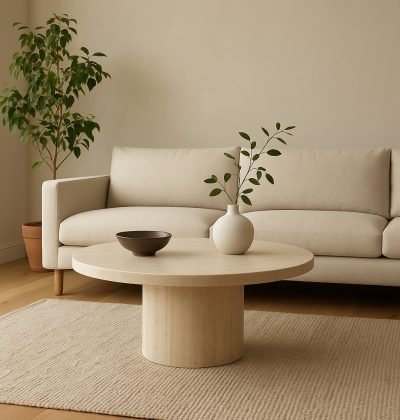
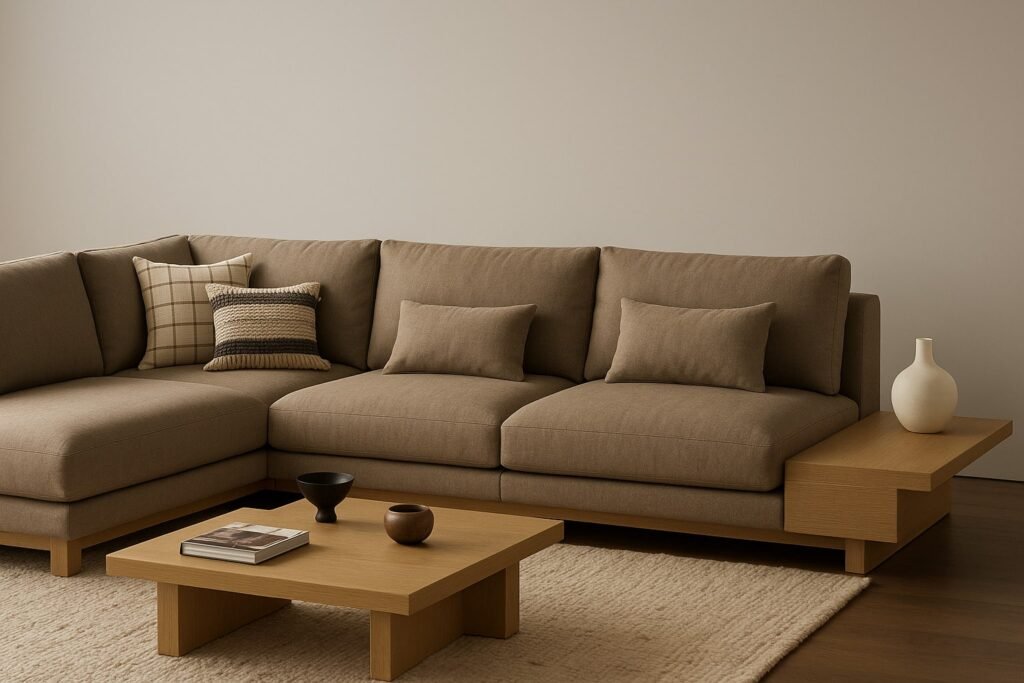
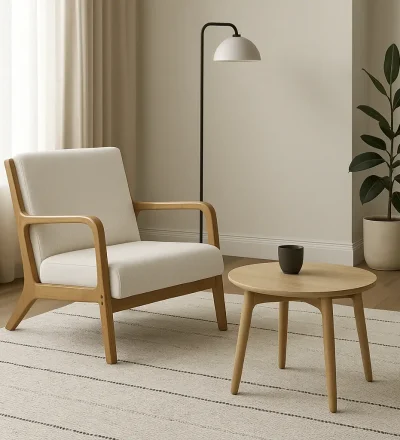
At Sabi Home, we’ve created detailed japandi style guides to help you bring Japandi design principles into every part of your home. Whether you’re working with a small city apartment or a spacious open-plan layout, our guides will show you how to style with clarity and intention.
Each guide includes actionable tips, curated product recommendations, and real-world examples to help you turn inspiration into reality — without the overwhelm
We’ve curated a small selection of Japandi bloggers and writers whose work aligns with mindful living, natural materials, and timeless design. Their perspectives add depth and real-world context to this guide.
Our core purpose areas for japandi style guides for interior design at sabi-home
🛏️ Japandi Bedroom Ideas
Create a sanctuary that soothes. Japandi bedroom design emphasizes low-profile beds, natural materials like linen and oak, and calming color palettes. Our guides explore how to layer textures and lighting to promote restfulness without visual clutter — with curated product picks to help you bring the look home.
📐 How to Style Japandi in Small Spaces
Living in a smaller home or apartment? No problem. Japandi is ideal for compact living. We show you how to style Japandi in small spaces by focusing on multi-functional furniture, open flow layouts, and vertical storage. Learn how to achieve minimalism without sacrificing warmth, comfort, or purpose.
📋 Japandi Interior Design Principles
To design with intention, you need a strong foundation. Our style guides break down essential Japandi interior design principles, including simplicity, balance, and natural harmony. From color theory to texture layering, discover the key design rules that make Japandi interiors feel timeless and grounded.
🪑 Japandi Furniture
The right furniture brings Japandi design to life. Explore our recommendations for minimalist Japandi furniture, including coffee tables, low-line beds, oak sideboards, and sculptural lighting. We focus on pieces that combine form and function, made with natural materials and minimalist elegance — all curated for lasting impact.
Trending Japandi looks
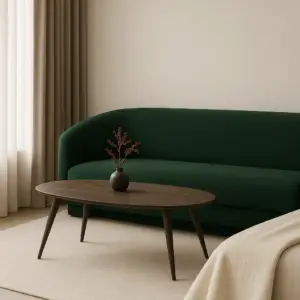
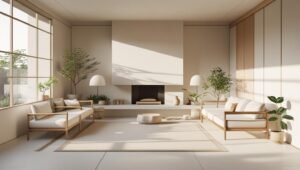
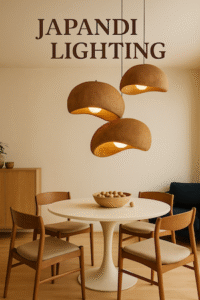
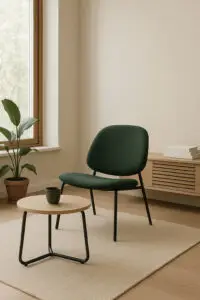
We have created a collection of Japandi design of mood boards inspired by trending looks in interior design space— a visual staging space where Japanese minimalism meets Scandinavian comfort. Each board features AI-generated interiors crafted to help you envision calming, intentional spaces rooted in Japandi interior principles.
Whether you’re planning a full renovation or simply searching for layout and styling ideas, our Japandi mood boards are here to guide your design journey.
Why Follow Our Japandi Style Guides?
At Sabi Home, we combine real design experience with affiliate-friendly product curation. Every recommendation is thoughtfully selected to reflect the best of Japandi interiors, blending beauty with practicality. Whether you’re refreshing one room or creating an entire Japandi house, our guides help you achieve balance, warmth, and intentional design.
What are the colours of Japandi?
Japandi design features a calm, neutral color palette inspired by nature and simplicity. Common tones include:
Soft whites, creams, and beiges
Warm greys and taupe
Earthy hues like terracotta, muted greens, and clay
Occasional accents in charcoal or matte black
These colors are used to create a harmonious and serene atmosphere that feels both grounded and airy — perfect for a minimalist Japandi interior.
Japandi design follows a few key principles?
Less is more – Prioritize clean lines, uncluttered layouts, and functional design.
Use natural materials – Think wood, stone, linen, and bamboo.
Keep the palette soft and neutral – Earthy tones and muted shades create calm.
Embrace imperfection – Wabi-sabi principles allow for natural textures and asymmetry.
Balance warmth and minimalism – Cozy layers (like soft textiles) soften the sleekness of minimal decor.
What materials are used in Japandi design?
Japandi interiors celebrate natural, sustainable materials that reflect a connection to nature and craftsmanship. The most common materials include:
Wood: Oak, ash, walnut, and bamboo
Stone: Travertine, slate, or polished concrete
Textiles: Linen, wool, cotton, and bouclé
Rattan and cane: Used in furniture and lighting
Ceramics and clay: Often hand-crafted with matte finishes These materials are layered to add texture, warmth, and authenticity to minimalist spaces — forming the foundation of Japandi design.
Inspired by our work?
Please fill out the form, so we can learn more about you and your needs.