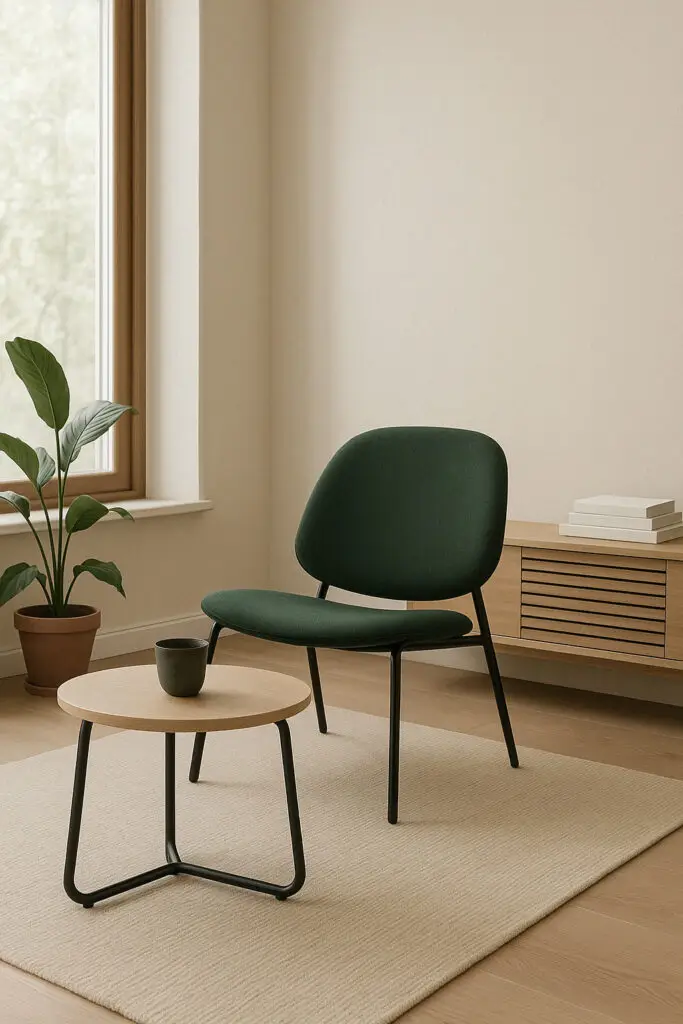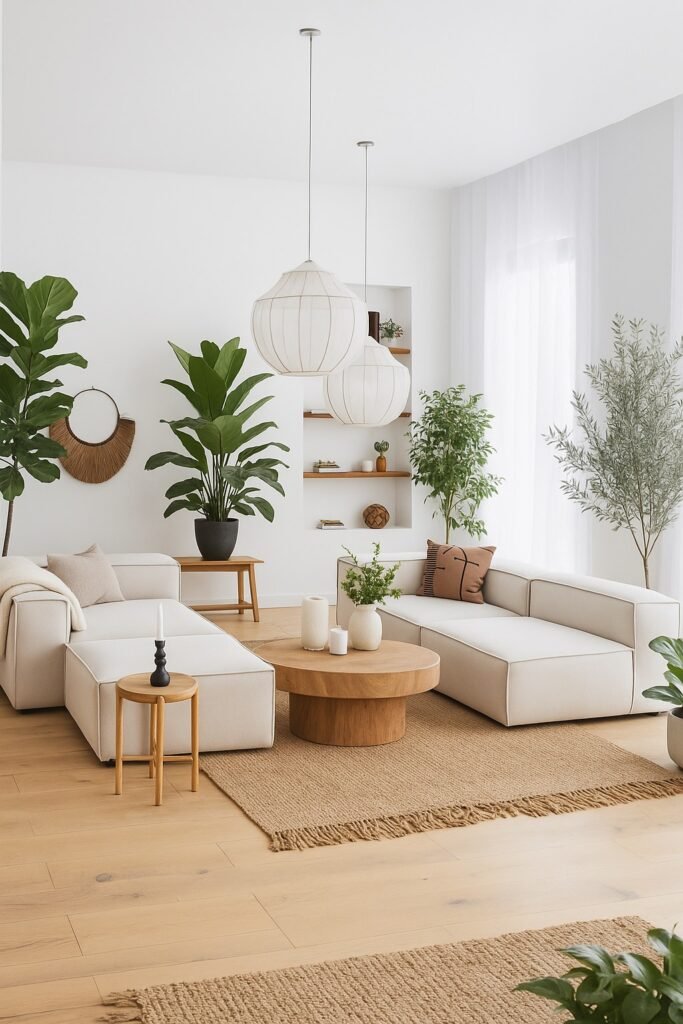
In a world full of noise and distractions, creating calm at home matters more than ever. That’s where we help you with 10 japandi decor ideas to help come into play .This style blends Japanese minimalism with Scandinavian function
Think clean lines. Natural materials. Soft, muted colours. Japandi design feels both warm and minimal, striking a balance between comfort and clarity.
Ready to refresh your home? Our list of 10 inspiring Japandi decor ideas will help you create a soothing space that feels truly yours. From handcrafted pieces to textured layers, these tips will guide you toward a home that’s both elegant and grounded.
Discover how small details can transform your space. Let Japandi show you how to create a retreat where you can unwind, reset, and breathe.

Table of contents
- Understanding Japandi Style: A Fusion of Japanese and Scandinavian Design
- Key Characteristics of Japandi Decor
- Color Palettes: Embracing Neutral Tones and Earthy Hues
- Furniture Selection: Minimalism Meets Functionality
- Textiles and Patterns: Incorporating Natural Fabrics
- Lighting Choices: Creating a Warm and Inviting Atmosphere
- Bringing Nature Indoors: The Role of Plants in Japandi Decor
- Art and Accessories: Enhancing the Aesthetic with Thoughtful Touches
- Tips for Maintaining a Serene and Clutter-Free Space
- Conclusion: Embracing the Japandi Lifestyle for a Harmonious Home
Contents
- 1 1.Understanding Japandi Style: A Fusion of Japanese and Scandinavian Design
- 2 2.Key Characteristics of Japandi Decor ideas
- 2.1 3. Color Palettes: Embracing Neutral Tones and Earthy Hues
- 2.1.1 4. Furniture selection: Minimalism Meets Functionality
- 2.1.2 5.Textiles and Patterns: Incorporating Natural Fabrics
- 2.1.3 6.Lighting Choices: Creating a Warm and Inviting Atmosphere
- 2.1.4 7.Bringing Nature Indoors: The Role of Plants in Japandi Decor
- 2.1.5 8.Art and Accessories: Enhancing the Aesthetic with Thoughtful Touches
- 2.1.6 9.Tips for Maintaining a Serene and Clutter-Free Space
- 2.1 3. Color Palettes: Embracing Neutral Tones and Earthy Hues
Japandi is more than just a mix of Japanese and Scandinavian design — it’s a mindful way of living. This style blends the calm, minimalist look of Japanese interiors with the warmth and practicality of Scandinavian homes. The result? A clean, balanced space that feels serene and grounded. So read on to get the best japandi decor ideas from
Japandi isn’t only about how a room looks. It’s about how it feels. It values harmony, sustainability, and mindfulness. Every piece has a purpose. Every corner invites calm. when combing japandi furniture you must keep the underling design principles in mind.
The Japanese side brings a love of simplicity. Influenced by wabi-sabi, it embraces imperfection and nature. Think raw wood, stone, bamboo, and open, uncluttered rooms. It’s peaceful and thoughtful by design.
Scandinavian style adds coziness. It softens the minimalism with light colours, soft textures, and clever function. It’s about comfort and everyday beauty. Together, they create spaces that are calm yet inviting. Minimal yet warm. Purposeful yet personal.
Japandi turns your home into a retreat — a quiet space where beauty and function work in harmony.
2.Key Characteristics of Japandi Decor ideas
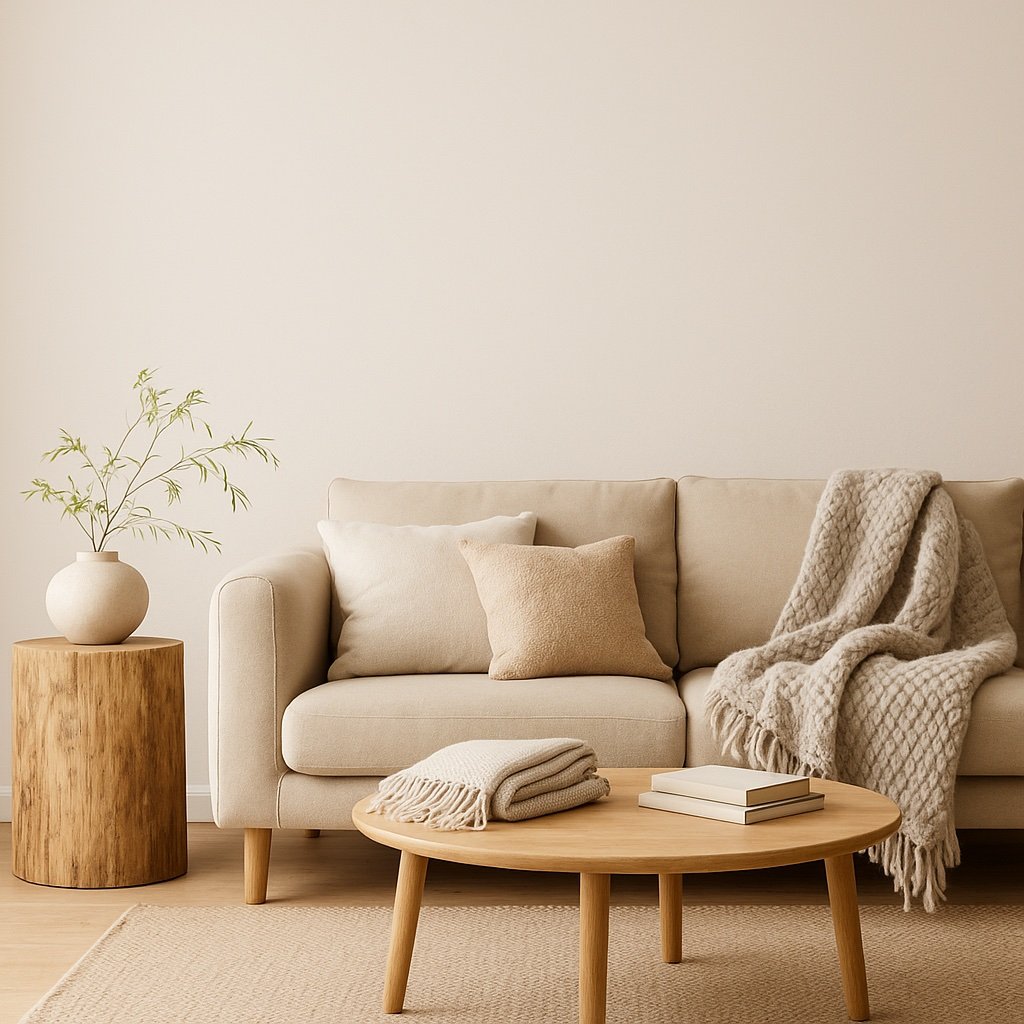
Japandi decor keeps things simple — but never boring. It’s minimalist, functional, and beautiful all at once. Every piece has a purpose. There’s no clutter, no excess — just quality and craftsmanship in focus.
Furniture in Japandi homes often does double duty. It’s built to last and designed to serve more than one need. Natural materials like wood, linen, and stone bring warmth and texture to each space. The result? A home that feels calm, clean, and intentional.
Natural elements are at the heart of Japandi style. Wood is everywhere — in furniture, floors, and accents. Soft, organic fabrics like cotton and wool add comfort without overpowering the design. This use of natural materials isn’t just for looks. It creates a deeper connection to nature, a core value in both Japanese and Scandinavian traditions.
That connection brings peace. It turns your home into a place where you can breathe, unwind, and feel at ease.
Japandi’s colour palette stays muted you need to keep this in mind when considering japandi decor ideas. Think soft greys, warm whites, and earthy tones. These hues let the textures and natural materials shine. They also help create a space that feels balanced and soothing — never loud or chaotic.
In the end, Japandi isn’t just about design. It’s about how you live. Calm. Clear. Connected.
3. Color Palettes: Embracing Neutral Tones and Earthy Hues
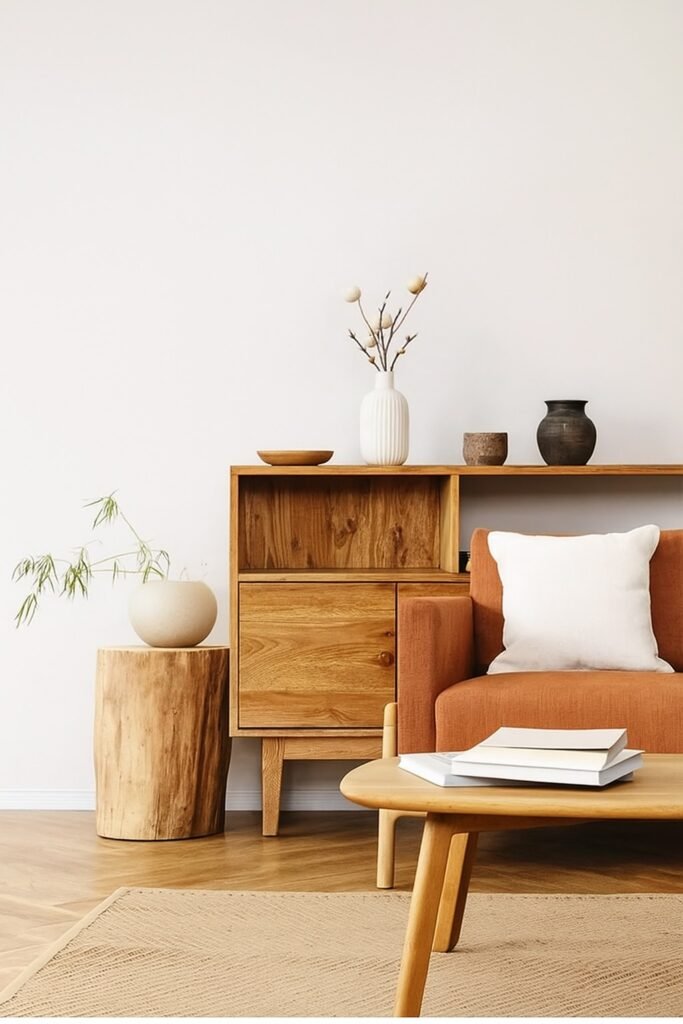
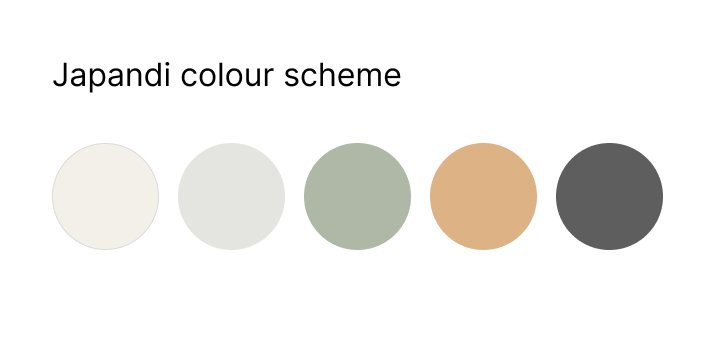
Color is at the heart of Japandi decor. It sets the mood and brings the space to life — quietly, intentionally. The palette leans on neutral tones and earthy hues to create a calm, grounded environment.
Soft whites, warm beiges, and muted greys form the foundation. These shades act as a subtle backdrop, allowing natural textures and materials to take center stage. They feel soothing, timeless, and easy to pair with almost anything.
But Japandi doesn’t stop at neutrals. It often layers in earth-inspired tones like browns, greens, and soft blues. These hues deepen the design and bring nature indoors.
Brown tones, drawn from wood and stone, add warmth and stability. Greens, introduced through plants or fabric, offer freshness and reinforce the connection to the natural world. Muted blues bring a cool, tranquil note — evoking water, sky, and stillness.
The real beauty of the Japandi palette lies in its restraint. There’s no loud colour here. Just soft, calming shades that work together. This subtlety helps everything — furniture, textiles, decor — blend smoothly, without visual clutter.
By embracing these tones, you create a space that feels balanced and timeless. It’s relaxed but intentional. Understated but full of depth. And above all, it’s a place that invites peace — the essence of Japandi living.
4. Furniture selection: Minimalism Meets Functionality
Furniture in Japandi decor is all about balance. It blends minimalism with functionality, ensuring each piece is both useful and beautiful. Nothing is chosen just for show — everything has a clear purpose and adds to the calm, cohesive feel of the space.
Clean lines and simple shapes define Japandi furniture this sohuld be at the forefront of your consideration of japandi decor ideas. The focus is on craftsmanship and quality materials, not ornamentation. This creates a space that feels open, ordered, and effortlessly elegant.
Wood plays a central role. Light-toned woods like oak, ash, and maple are popular choices. They bring warmth without heaviness and are often left natural or lightly finished to highlight their texture and grain. Alongside wood, bamboo, rattan, and stone add depth and tactile interest.
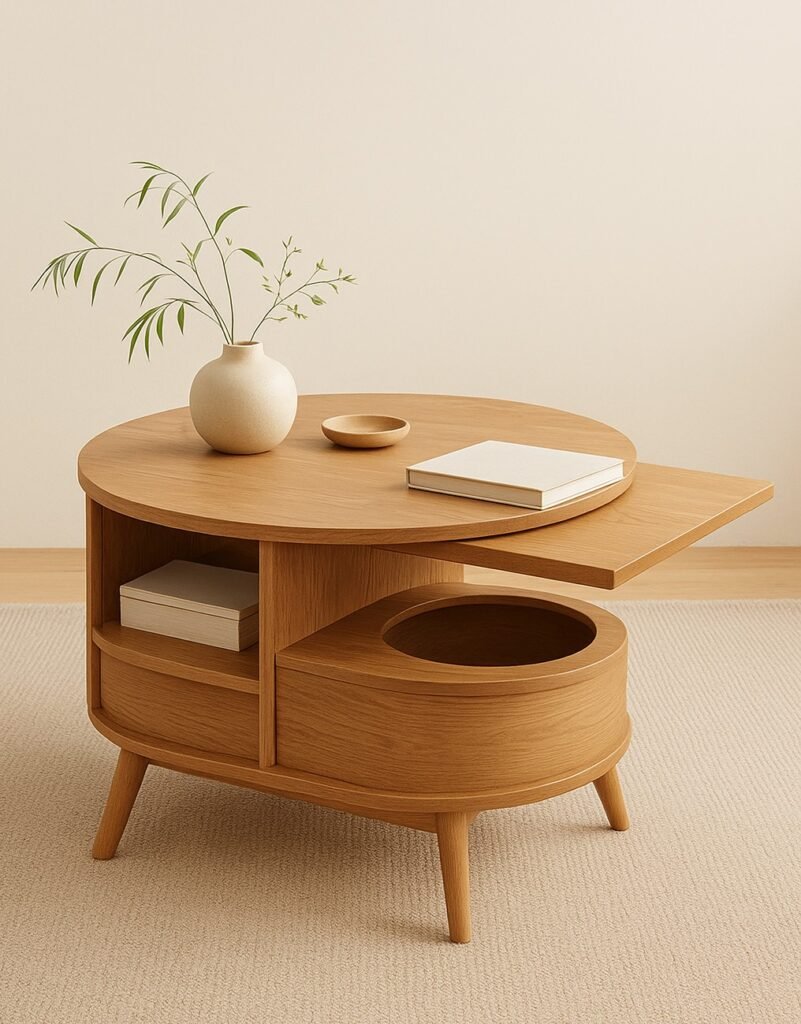
Functionality is just as important as form. Japandi embraces multi-purpose furniture that suits modern living. Think storage benches, extendable dining tables, or modular shelving. These pieces save space, reduce clutter, and support a sense of order.
Together, this approach creates a home that feels serene, thoughtful, and well-composed. Every item has meaning. Every element works in harmony. And the result is a space where you can truly breathe.
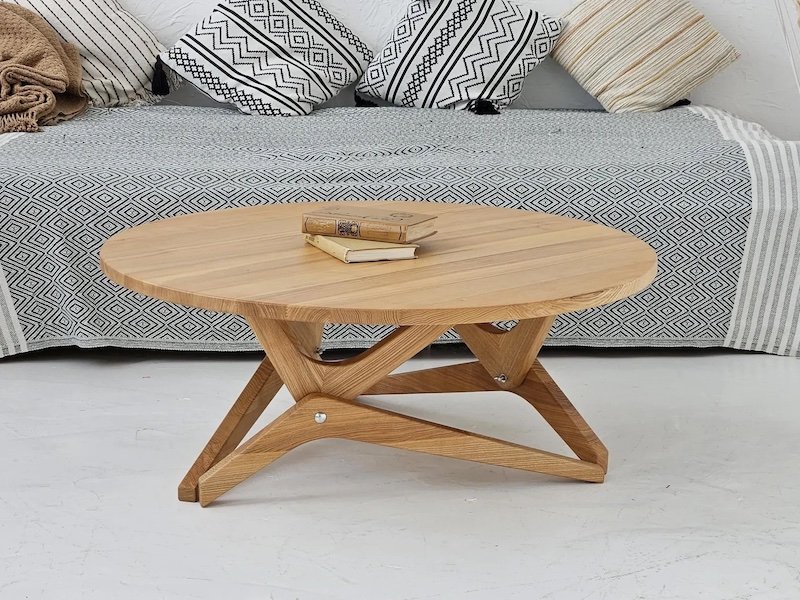
For perfect blend of japandi functionality & premium materials we recommend this amazing piece from TransformationTable. This table has the ability to fold and be stored away without forfeiting handcrafted quality
5.Textiles and Patterns: Incorporating Natural Fabrics
Textiles are essential in Japandi decor. They add warmth, texture, and comfort while staying true to the style’s minimalist roots. The focus is on natural fabrics that feel as good as they look.
Cotton, linen, and wool are the go-to materials. They bring a soft, tactile quality that enhances the sensory feel of a room. These fabrics are also sustainable, often sourced from renewable resources — a perfect match for Japandi’s eco-conscious philosophy.
Layering is key. While the overall look stays clean and simple, textiles introduce subtle depth. Think linen curtains, wool throws, and cotton cushions. These pieces soften hard edges and bring coziness to minimal spaces. They make the room feel lived-in — warm, but not cluttered.
Patterns in Japandi textiles stay understated. You’ll see soft botanical prints, geometric lines, and muted stripes. Nothing too bold. Colours stay quiet — often monochromatic or nature-inspired — so they blend in rather than stand out.
By choosing the right fabrics and patterns, you bring harmony to the space. The textures invite touch. The layers invite rest. And the overall feel is calm, balanced, and grounded — exactly what Japandi style is all about.
6.Lighting Choices: Creating a Warm and Inviting Atmosphere
Lighting is essential in Japandi decor. It sets the tone, adds warmth, and highlights the natural materials and craftsmanship that define the style. The right light brings out the quiet beauty of each piece and enhances the calm, inviting feel of the space.
Natural light takes priority. Japandi interiors often feature large windows, glass doors, and even skylights to let sunlight flood in. This creates a bright, open atmosphere and strengthens the connection to nature — a key principle of both Japanese and Scandinavian design.
To make the most of this light, window treatments stay minimal. Sheer cotton or linen curtains allow light to filter through while keeping the space soft and private.
Artificial lighting plays a supporting role. It’s chosen with care, adding depth and warmth without stealing attention. Japandi fixtures tend to be simple and sculptural, made from natural materials like wood, metal, or paper.
Think pendant lights with clean lines, paper lanterns, or wooden floor lamps. Warm-toned bulbs create a cozy glow, perfect for winding down in the evening.
When layered thoughtfully, light transforms your home. It adds comfort, clarity, and serenity — all at once. With Japandi lighting, function meets beauty in every detail.
7.Bringing Nature Indoors: The Role of Plants in Japandi Decor
Plants play a vital role in Japandi decor. They bring nature indoors and add calm to any space. More than just decoration, greenery reflects the Japanese principle of biophilia — the idea that connecting with nature supports well-being.
Not only do plants enhance visual interest, but they also improve air quality and create a sense of balance. In Japandi interiors, greenery is used with intention. Simplicity and harmony guide every choice, ensuring plants blend seamlessly into the overall aesthetic.
When choosing plants, go for beauty and ease. Low-maintenance varieties like succulents, snake plants, and pothos are perfect. They thrive in most conditions and require minimal care. Additionally, options like bonsai trees, ferns, and bamboo add elegance and a subtle nod to Japanese tradition.
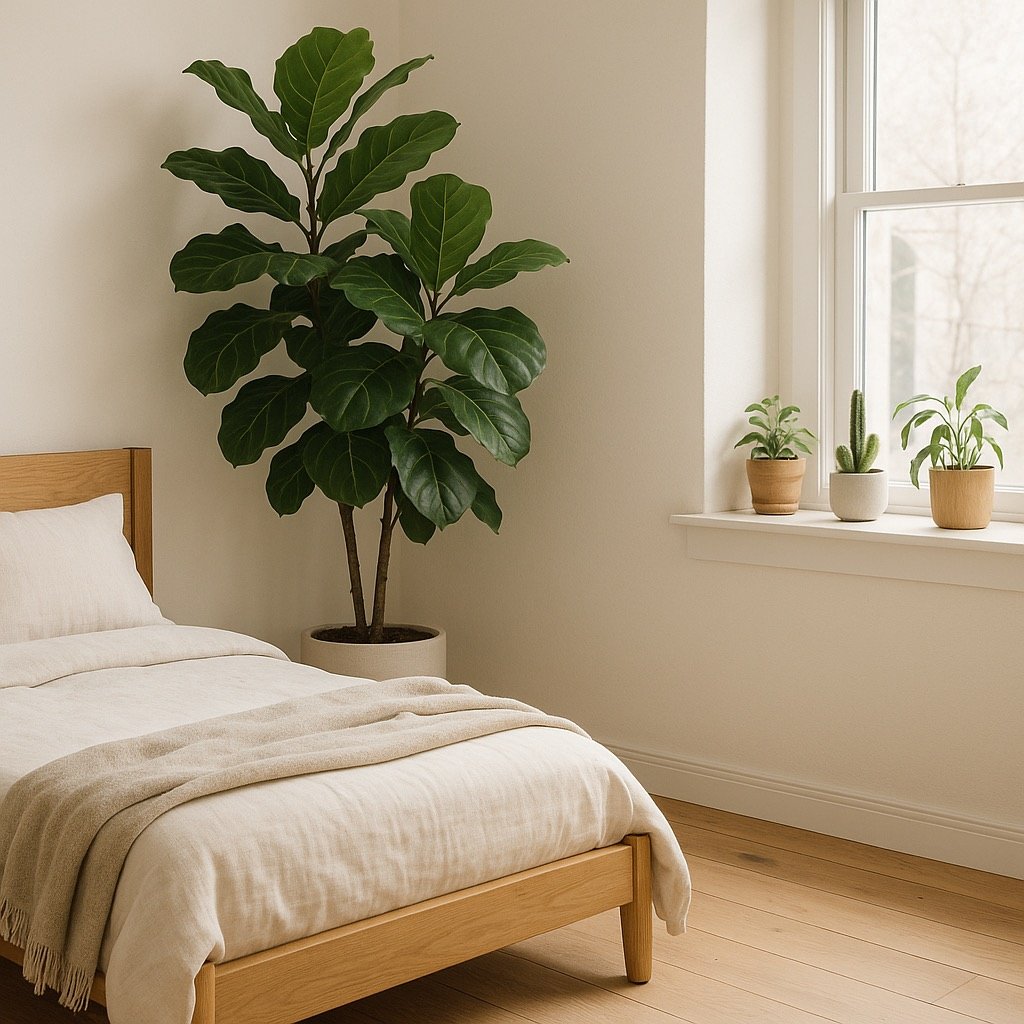
Just as important as plant choice is placement. Use greenery to soften sharp lines or draw the eye to focal areas. For example, place a tall plant in an empty corner or group small ones on a windowsill for visual balance.
Also, consider the containers. Choose pots made of natural materials — think ceramic, terracotta, or light wood. These textures align with the Japandi palette and add warmth without distraction.
Ultimately, adding plants to your Japandi space is about more than looks. It’s about creating a peaceful, grounded environment — one that feels calm, natural, and deeply connected to the world outside
8.Art and Accessories: Enhancing the Aesthetic with Thoughtful Touches
Art and accessories in Japandi decor are all about intention. Each piece is chosen with care, adding beauty without creating clutter. The focus is on quality over quantity, with every item serving a purpose — whether visual, emotional, or functional.
In Japandi style, less is more. Art and décor aren’t just decorations; they’re quiet statements that contribute to calm and balance. Each item should feel connected to the space, not just placed in it.
When choosing art, stay true to the overall mood. Look for pieces that complement the room’s natural materials and muted tones. Abstract works, black-and-white photography, and nature-inspired prints are perfect choices. Botanical sketches or traditional Japanese ink art also work beautifully. Keep it simple, meaningful, and in harmony with the room’s energy.
Accessories follow the same principle. They should be functional, beautiful, and never excessive. Handcrafted ceramics, wooden trays, or woven baskets offer texture and utility. Even everyday items — like a folded wool throw or a simple cushion — can become part of the decor when thoughtfully chosen.
The goal is restraint. Just a few well-placed objects can speak volumes. Choose pieces that feel timeless and authentic. Let each one contribute to the overall feeling of serenity and order.
With the right balance of art and accessories, your Japandi space feels grounded, curated, and complete — a true reflection of calm, intentional living.
9.Tips for Maintaining a Serene and Clutter-Free Space
A clutter-free space is central to Japandi decor. It brings calm, order, and balance to the home. With its minimalist roots, Japandi style calls for intention in every item — nothing should feel random or excessive.
Every piece must serve a purpose. That’s why Japandi prioritizes quality over quantity. Each object adds to the beauty and function of the space, making it easier to stay organized and serene. Sabi-home provides a
comprehensive review of the top 5 coffee japandi tables on etsy now
Smart storage is key. Use multi-functional furniture like storage benches, built-in cabinets, or modular shelves to keep belongings neatly tucked away. These solutions help maximize space while keeping surfaces clean and open.
Regular decluttering matters too. Make it a habit to evaluate what you own. Keep only what you truly love or use. This simple act not only reduces visual clutter but also encourages mindful, intentional living — a core value of Japandi design.
Daily routines help maintain the calm. Small habits — like making your bed, putting things away after use, and doing a quick evening reset — keep your home feeling peaceful and cared for.
Consistency is powerful. With just a few thoughtful actions each day, you create a space that stays tidy, welcoming, and aligned with the spirit of Japandi living: calm, clear, and deeply intentional.
10.Conclusion: Embracing the Japandi Lifestyle for a Harmonious Home
Embracing the Japandi lifestyle is about more than just adopting a new decor style; it’s about creating a home that promotes tranquility, simplicity, and mindfulness. The harmonious blend of Japanese minimalism and Scandinavian functionality offers a unique approach to interior design that prioritizes quality, craftsmanship, and a connection to nature. By incorporating the principles of Japandi decor into your home, you can create a serene retreat where you can unwind, recharge, and find a sense of balance in your daily life.
The Japandi style emphasizes the importance of natural materials, neutral color palettes, and thoughtful design. Each element is chosen with care, ensuring that it contributes to the overall sense of harmony and tranquility in the space. From selecting the right furniture and textiles to incorporating plants and art, every detail is considered to create a cohesive and inviting environment. This approach not only enhances the aesthetic of your home but also promotes a sense of well-being and mindfulness.
By following the 10 inspiring Japandi decor ideas outlined in this article, you can transform your space into a serene and harmonious home. Whether you’re starting from scratch or making small changes to your existing decor, these ideas will guide you toward creating a space that reflects the essence of Japandi style. Embrace the principles of simplicity, functionality, and natural beauty, and discover how the Japandi lifestyle can enhance your home and your life.
FAQ japandi decor ideas
Japandi decor works beautifully in small spaces thanks to its minimalist and functional design. Focus on multi-purpose furniture, light wood tones, and a neutral color palette to make the room feel open. Use smart storage, soft lighting, and a few natural elements like plants or linen textiles to add warmth without clutter.
Start small. Begin with Japandi-inspired furniture — look for clean lines, light woods, and natural materials. Then, simplify your space by removing clutter and keeping only what you need. Add soft textiles, muted tones, and one or two nature-inspired accessories, such as a bonsai or ceramic vase.
Japandi decor ideas typically feature neutral and earthy colors. Think soft whites, beige, greys, warm browns, muted greens, and dusty blues. These shades help create a calming, balanced space and pair well with natural materials like wood, stone, and cotton.
Japandi-style furniture is minimal, functional, and high-quality. Look for low-profile pieces made from oak, ash, or bamboo. Multi-functional items, like storage benches or modular shelves, are ideal. Avoid overly decorative furniture — simplicity is key.
Yes, Japandi blends well with Scandinavian, minimalist, and wabi-sabi aesthetics. Its focus on simplicity and natural beauty makes it versatile. You can mix it with modern elements or rustic textures, as long as you keep the look clean, cohesive, and intentional.