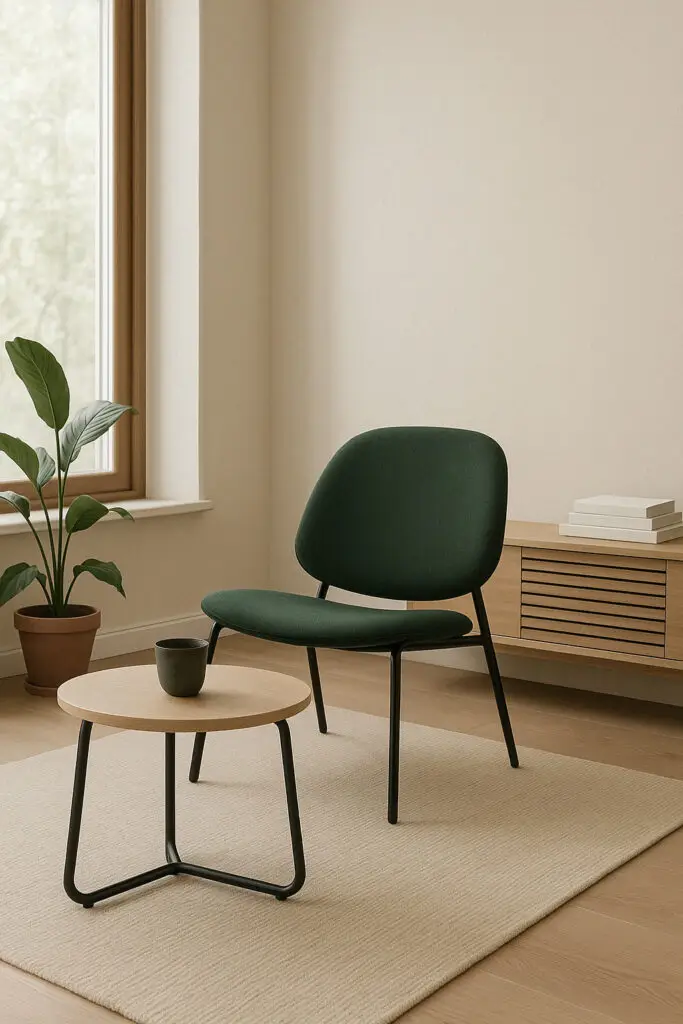
Japandi interior design: The Guide to Creating Serene, Functional Spaces (2026)
Contents
- 1 Japandi interior design: The Guide to Creating Serene, Functional Spaces (2026)
Japandi style interior design transforms your home into a peaceful retreat where Scandinavian comfort meets Japanese simplicity. This timeless style creates spaces that feel both modern and calming—perfect for today’s busy homeowners who want beauty without clutter.

Written by Anzella Casica, certified interior design specialist from ANEC Interior Design Studio
Whether you live in a small apartment or spacious house, Japandi design works with any budget. You’ll discover how natural materials, neutral colors, and thoughtful furniture choices create interiors that support both relaxation and daily life.
What Is Japandi style interior Design?
Japandi interior design blends two powerful design philosophies: Japanese minimalism and Scandinavian functionality. Japanese design brings clean lines, natural materials, and the art of living with less. Meanwhile, Scandinavian style adds warmth, comfort, and practical storage solutions.
Together, these approaches create interiors that feel spacious yet cozy. You get the visual calm of minimalism without sacrificing the comfort your family needs. Additionally, Japandi design celebrates natural imperfections—like wood grain variations or handmade pottery—making your space feel authentic rather than sterile.
This style gained popularity because it addresses modern living challenges: small spaces, busy schedules, and the desire for sustainable choices. Furthermore, Japandi interiors photograph beautifully, making them perfect for homeowners who love sharing their spaces on social media.
Core Elements of Japandi style Interior Design
Natural Materials Form the Foundation
Japandi design starts with materials that connect you to nature. Light woods like oak, ash, and bamboo create warmth without overwhelming small spaces. These affordable options work especially well for renters who can incorporate them through furniture and accessories.
Moreover, natural textiles play a crucial role. Linen curtains, wool throws, and cotton cushions add softness while maintaining the style’s clean aesthetic. You can find budget-friendly versions at stores like IKEA, Kmart, or online retailers.
Stone and ceramic elements complete the natural palette. Simple pottery, slate coasters, or pebble decorative accents bring texture without adding visual clutter.
Neutral Color Palettes Create Calm
Japandi color schemes center on whites, soft grays, and warm beiges. These versatile base colors make rooms feel larger—a huge advantage for apartment dwellers. Meanwhile, they create a timeless backdrop that won’t look dated in five years.
For depth, add earthy accents in sage green, terracotta, or muted ochre. These colors appear naturally in plants, ceramics, or textiles. However, use them sparingly—one accent color per room prevents visual overwhelm.
Black appears strategically for contrast. Think picture frames, light fixtures, or cabinet hardware. This creates visual anchor points without disrupting the overall sense of calm.
Room-by-Room Japandi Design Guide
Creating Your Japandi Living Room
Start with a low-profile sofa in neutral fabric. Linen or cotton covers work beautifully and can be washed easily—perfect for families. Choose wooden legs to reinforce the natural theme.
Next, select a simple coffee table with built-in storage. This addresses the Japandi principle of hidden organization while providing practical space for remotes, books, or throws. Look for pieces with visible wood grain rather than painted surfaces.
For storage, invest in a sideboard with closed compartments. This keeps daily clutter out of sight while displaying a few meaningful objects on top. Consequently, your living room maintains its serene appearance even with family life happening.
Designing Your Japandi Bedroom
Your bedroom should feel like a peaceful sanctuary. Begin with a platform bed or simple wooden frame—avoid ornate headboards that compete for attention. Instead, create interest through texture with linen bedding in natural tones.
Lighting plays a crucial role in bedroom Japandi design. Replace harsh overhead fixtures with soft, warm alternatives. Paper pendant lights or wooden table lamps create the ambient atmosphere essential to this style.
Furthermore, keep surfaces clear of clutter. A single bedside table with one drawer provides storage for essentials while maintaining clean lines. Add a woven basket underneath for extra blankets or seasonal items.
Japandi Kitchen Design Elements
Japandi kitchens focus on clean lines and hidden storage. If renovating, choose flat-front cabinets in warm white or light wood. However, renters can achieve similar results with peel-and-stick cabinet film or by removing cabinet doors to create open shelving.
Natural stone or wood countertops align with Japandi principles, but they’re budget-intensive. Alternative options include laminate with wood-grain patterns or butcher block sections for islands or breakfast bars.
Open shelving displays your most beautiful dishware while hiding everyday items in closed cabinets. This creates visual interest without clutter. Additionally, it encourages you to choose items that serve both function and beauty.
Budget-Friendly Japandi style interior Design Tips
Start with Paint and Lighting
Transform any room with warm white or soft gray paint. These colors instantly create the Japandi foundation at minimal cost. Meanwhile, switching to warm-toned LED bulbs makes existing fixtures feel cozier.
Paper lampshades or bamboo pendant lights cost under $50 but dramatically change your room’s atmosphere. Look for options at Asian import stores or online marketplaces for the best deals.
Thrift and Secondhand Shopping
Japandi design celebrates natural aging, making secondhand furniture perfect for this style. Look for solid wood pieces that you can sand and oil to restore their natural beauty.
Furthermore, vintage ceramics, woven baskets, and linen textiles appear regularly at thrift stores. These authentic materials often cost less than new mass-produced alternatives while adding genuine character to your space.
DIY Projects for Japandi Style
Create floating shelves from reclaimed wood planks and simple brackets. This provides storage while displaying plants, books, or ceramics in the Japandi aesthetic.
Additionally, you can make your own textile wall art using natural linen or cotton in wooden frames. This adds warmth and texture without expensive artwork.
Common Japandi style interior Design Mistakes to Avoid
Over-Minimizing Your Space
While Japandi embraces simplicity, completely empty rooms feel cold rather than serene. Instead, include enough furniture and accessories to make spaces livable. Aim for “enough” rather than “as little as possible.”
Furthermore, don’t eliminate all personal items. Japandi design celebrates meaningful objects—display items that bring you joy or tell your story.
Ignoring Comfort for Aesthetics
Japandi prioritizes both beauty and function. Choose comfortable seating, adequate lighting for reading, and practical storage solutions. Your space should support daily life, not just look good in photos.
Moreover, include soft textures through throws, cushions, and rugs. These elements prevent spaces from feeling stark while maintaining the overall aesthetic.
Mixing Too Many Wood Tones
Stick to two wood tones maximum—typically one light and one medium-toned wood. More variety creates visual chaos that contradicts Japandi’s peaceful principles.
Similarly, avoid mixing different styles of hardware or fixtures. Consistency in these details creates the cohesive look essential to successful Japandi design.
Maintaining Your Japandi style Interior design
Daily Habits for Lasting Style
Japandi design requires minimal daily maintenance when set up correctly. Spend five minutes each evening returning items to their designated places. This prevents clutter from accumulating and maintains the style’s clean appearance.
Additionally, dust natural wood surfaces weekly with a soft cloth. Monthly conditioning with natural oil keeps wood furniture looking its best without harsh chemicals.
Seasonal Updates
Refresh your Japandi space seasonally through textiles and plants. Summer calls for lighter linens in cooler tones, while winter invites warmer wool textures and deeper earth tones.
However, avoid dramatic changes that disrupt the overall aesthetic. Subtle shifts in accessories and plants provide variety while maintaining the timeless Japandi foundation.
Japandi Design for Different Lifestyles
Family-Friendly Japandi
Families can absolutely embrace Japandi design with smart planning. Choose washable slipcovers, rounded furniture edges, and closed storage for toys and supplies.
Furthermore, involve children in the organization systems. Simple, clear storage makes it easy for kids to maintain the tidy aesthetic while learning responsibility.
Small Space Japandi Solutions
Apartment dwellers benefit enormously from Japandi principles. The style’s emphasis on multi-functional furniture and visual simplicity makes small spaces feel larger and more organized.
Moreover, vertical storage solutions align perfectly with Japandi aesthetics. Tall, narrow shelving units provide storage without overwhelming compact rooms.
Sustainable Aspects of Japandi Design
Eco-Friendly Material Choices
Japandi design naturally supports sustainable living through its emphasis on natural, durable materials. Solid wood furniture lasts generations, while natural textiles biodegrade at end-of-life.
Additionally, the style’s timeless aesthetic means fewer updates and replacements over time. This reduces consumption while maintaining beautiful, functional spaces.
Supporting Ethical Brands
When purchasing new items, research brands that prioritize sustainable practices. Many companies now offer FSC-certified wood furniture and organic textiles that align with Japandi values.
Furthermore, buying locally-made items when possible reduces transportation impacts while often providing higher quality pieces.
Getting Started with Your Japandi Interior Design Project
Planning Your Transformation
Begin by assessing your current space and identifying what already fits Japandi principles. You might discover that several existing pieces work with minor styling adjustments.
Next, prioritize changes based on impact and budget. Paint and lighting updates provide maximum transformation for minimal investment, while furniture represents longer-term investments.
Room-by-Room Implementation
Start with one room to perfect your approach before expanding throughout your home. Living rooms often work well as starting points because they’re visible to guests and used frequently by families.
However, bedrooms might be better first choices for renters with limited renovation options. Bedroom changes typically require no permanent modifications while providing daily enjoyment.
Building Your Japandi Collection Gradually
Resist the urge to completely redecorate at once. Japandi design celebrates thoughtful choices over quick purchases. Take time to find pieces you truly love rather than settling for “good enough” options.
Meanwhile, live with changes for a few weeks before adding new elements. This prevents overwhelm while ensuring each addition genuinely improves your space.
Conclusion: Your Journey to Japandi style Interior Design
Japandi interior design offers a practical path to creating beautiful, functional homes that support modern life. By combining Japanese simplicity with Scandinavian comfort, you create spaces that feel both serene and livable.
Remember that authentic Japandi design develops gradually through thoughtful choices rather than quick transformations. Start with the elements that most appeal to you—whether that’s natural materials, neutral colors, or simplified organization systems.
Most importantly, adapt Japandi principles to your specific lifestyle and budget. The goal isn’t to copy magazine photos perfectly, but to create a home that brings you daily joy and peace. With patience and intention, your Japandi interior design journey will result in spaces that truly enhance your quality of life.
Frequently Asked Questions
Is Japandi design still popular in 2025? Yes, Japandi interior design continues growing in popularity throughout 2025. Its emphasis on sustainability, mental wellness, and functional beauty resonates with current lifestyle trends. The style’s timeless appeal ensures it won’t look dated as trends change.
What’s the difference between Japandi and Scandinavian design? While Scandinavian design focuses on light, cozy comfort, Japandi adds Japanese minimalism and connection to nature. Japandi uses fewer decorative elements, embraces natural imperfections, and emphasizes mindful living more than traditional Scandinavian style.
Can I do Japandi design on a tight budget? Absolutely! Japandi design actually works well with budget constraints because it prioritizes quality over quantity. Focus on paint, lighting, and secondhand natural materials. The style’s emphasis on simplicity means fewer purchases overall.
What colors work best in Japandi interiors? Start with warm whites, soft grays, and natural beiges as your base. Add depth with muted earth tones like sage green, terracotta, or ochre. Use black sparingly for contrast in hardware, frames, or light fixtures.