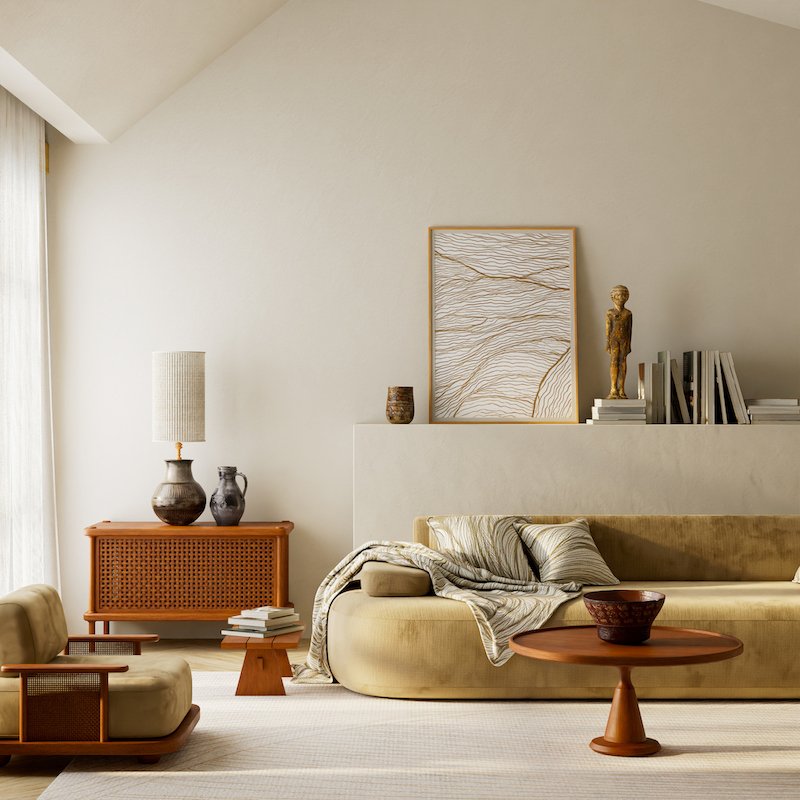
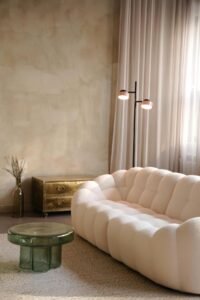
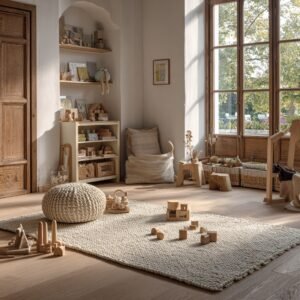
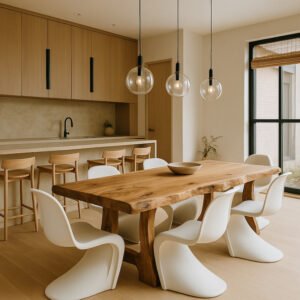
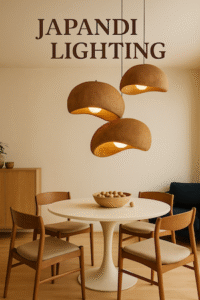
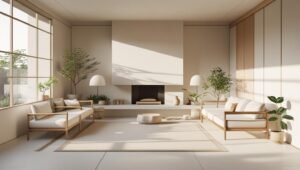
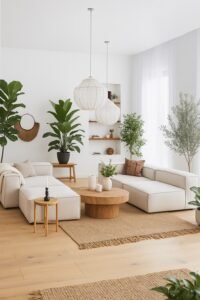
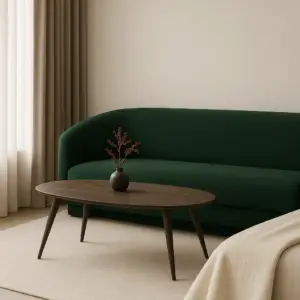
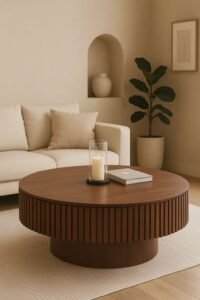
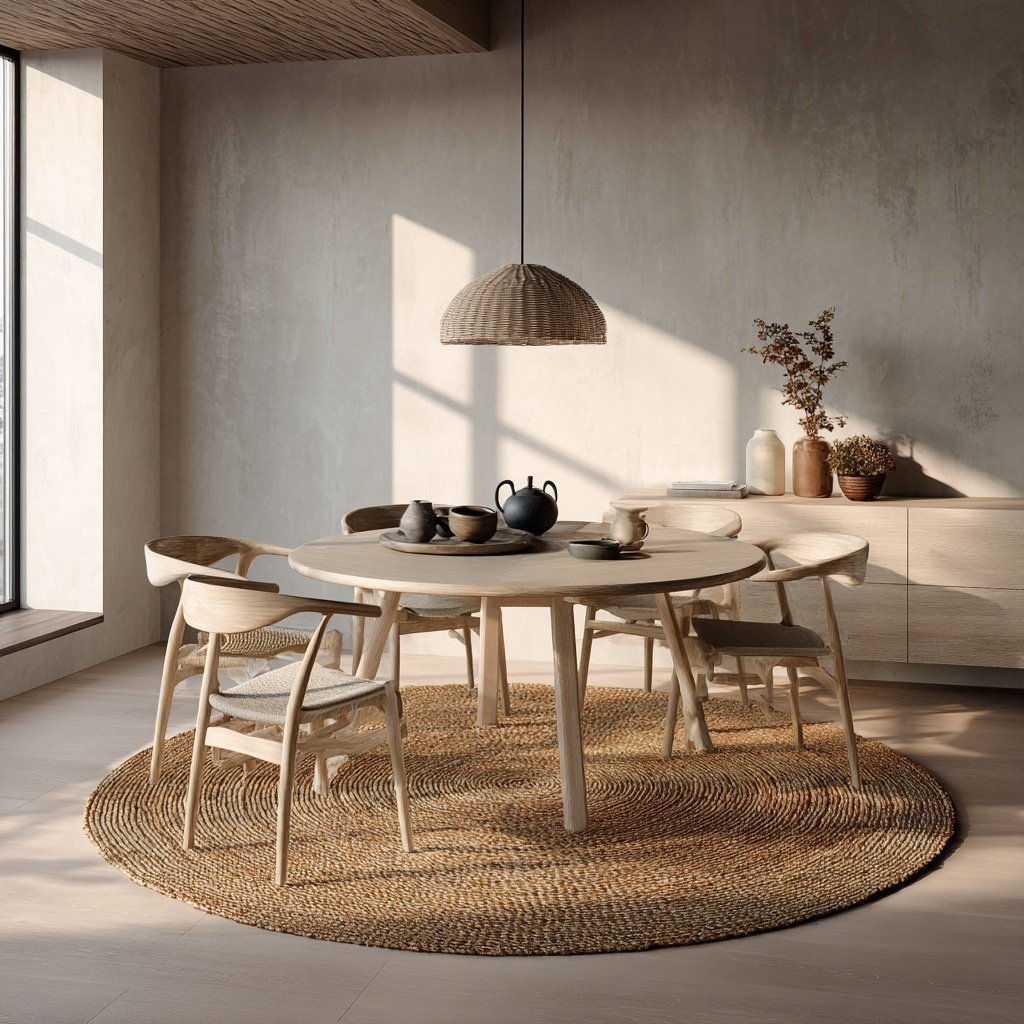
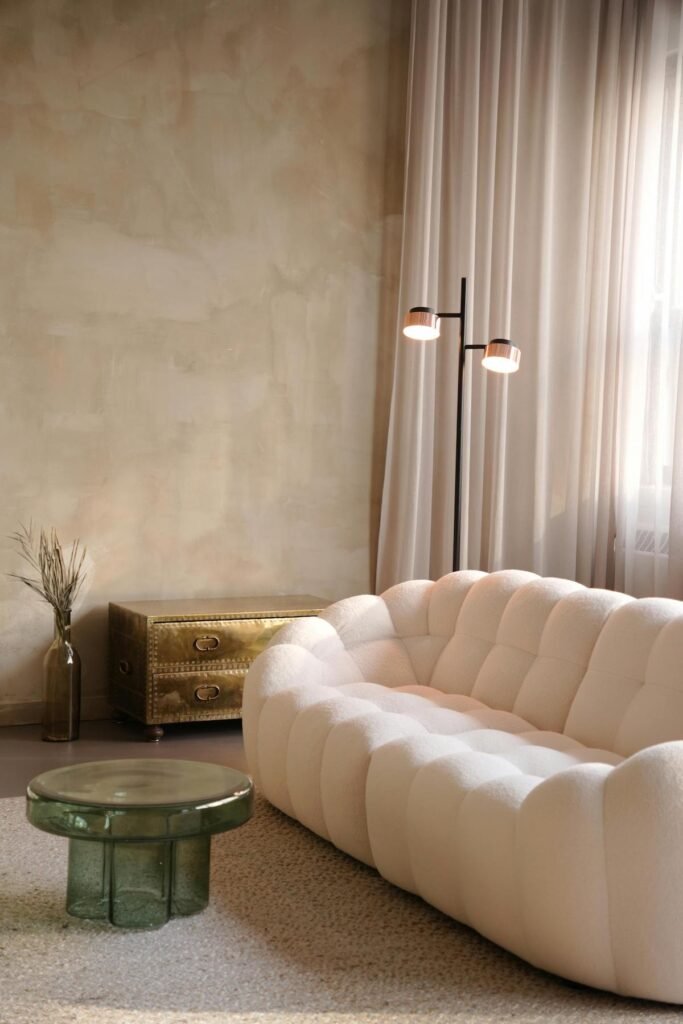
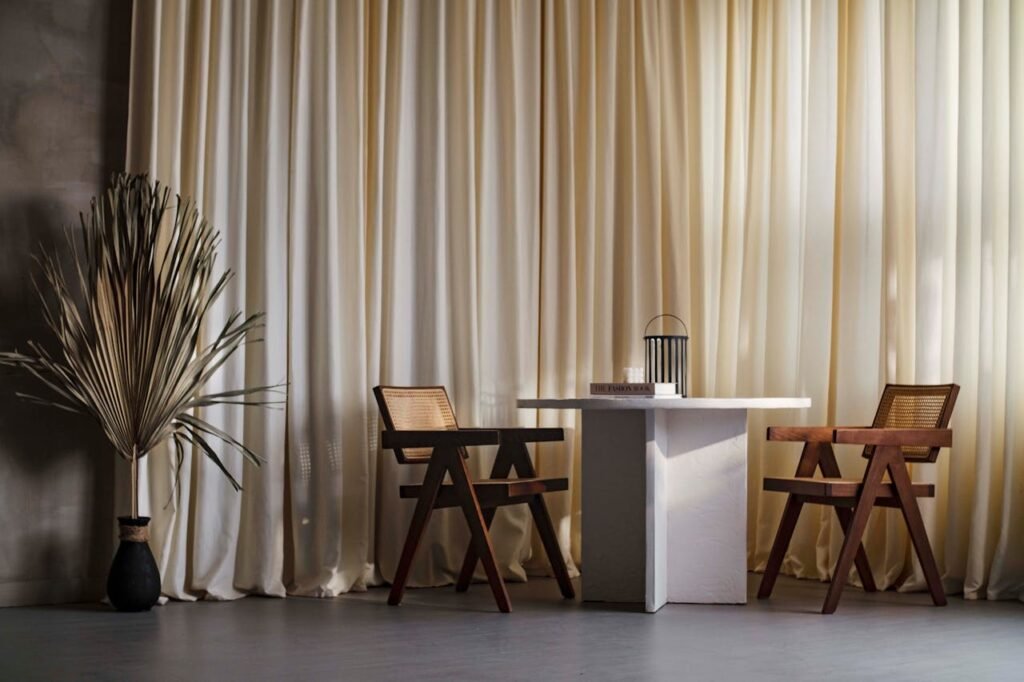
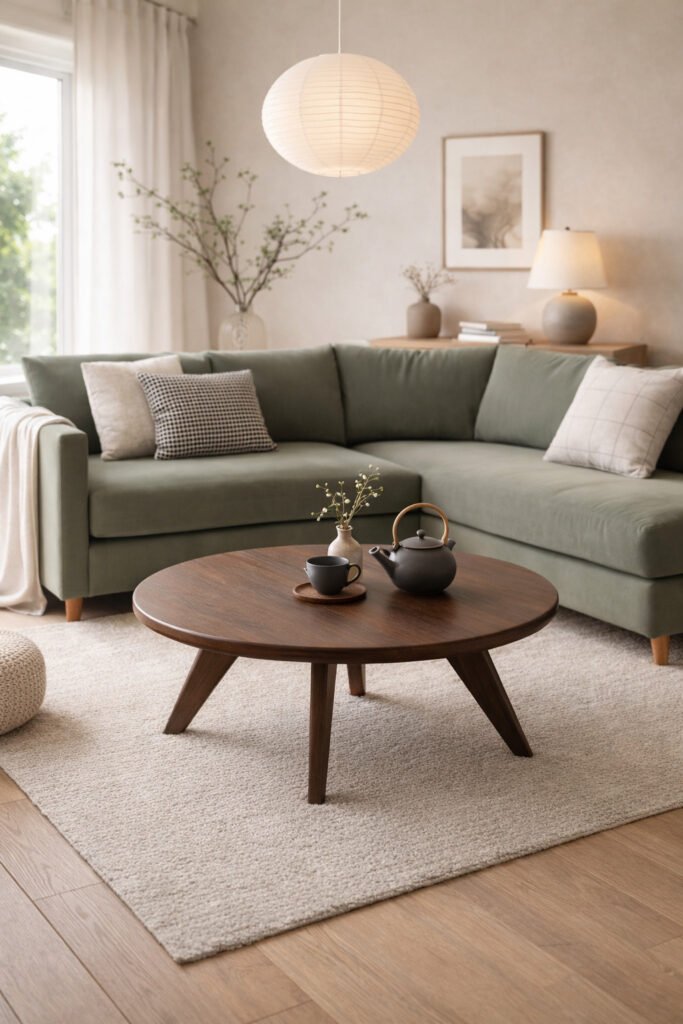
Welcome to our Japandi design blog, where Japanese minimalism meets Scandinavian warmth to create calm, functional interiors. Here you’ll find practical styling guides, furniture insights, and timeless design principles focused on natural materials, muted colour palettes, and intentional living.
Whether you’re designing a single room or refining your entire home, this Japandi design blog offers clear, thoughtful inspiration for modern, minimalist spaces.
Japandi design is an interior style that combines:
Japanese minimalism and wabi-sabi philosophy
Scandinavian comfort, functionality, and warmth
Natural materials, muted colour palettes, and clean forms
The result is a lived-in aesthetic that prioritises quality, balance, and emotional wellbeing over trends.
What is japandi design? 👉🏽 find out everything you need to know with our japandi design guides
Key Principles of Japandi Interiors
Japandi interiors are built on intention rather than decoration. Every element has a purpose, whether visual, functional, or emotional. Common characteristics include:
Neutral and earthy colour palettes
Organic textures like wood, linen, and stone
Minimal clutter with thoughtful negative space
Soft, natural light and simple silhouettes
These principles help create interiors that feel peaceful without becoming cold or sparse.
for a comprehensive anaylsis of japandi principles 👉🏽 learn from our design experts
Japandi Style Guide: for Intentional Living
Our Japandi style guide goes beyond aesthetics. It focuses on how spaces support slower, more mindful living through simplicity and restraint. By combining Scandinavian hygge with Japanese wabi-sabi, Japandi interiors embrace subtle imperfections and natural beauty.
This approach encourages fewer purchases, better materials, and homes that feel calm, cohesive, and deeply personal.
Japandi style can sometimes be difficult to pin down 👉🏽 we have you sorted:
Japandi Furniture: Quality Over Quantity
Furniture plays a central role in Japandi design. Rather than filling a space, Japandi furniture is carefully selected for durability, craftsmanship, and versatility. Materials such as solid oak, ash, rattan, ceramic, and linen are favoured for their texture and longevity.
Pieces are often multifunctional, visually lightweight, and designed to age beautifully over time.
for Japandi furniture essentials → check out our shoppings guides, round ups and reccomendation on japandi style furniture
Core Principles of Wabi-Sabi Interiors
Wabi-Sabi interiors are guided by feeling rather than formality. Spaces are intentionally pared back, allowing materials and textures to take centre stage. Common elements include:
Raw wood, stone, clay, and linen
Earthy, muted colour palettes
Asymmetry and handcrafted details
Patina, wear, and natural ageing
These principles create interiors that feel calm, grounded, and deeply human.
If your still wondering about Wabi-Sabiinteriors we go over it in detail → room-by-room